
Commercial Water Heaters Just Hit 98% Efficiency — Go Chase Those Accounts
Where Should Your Next Propane Gallon Growth Come From?
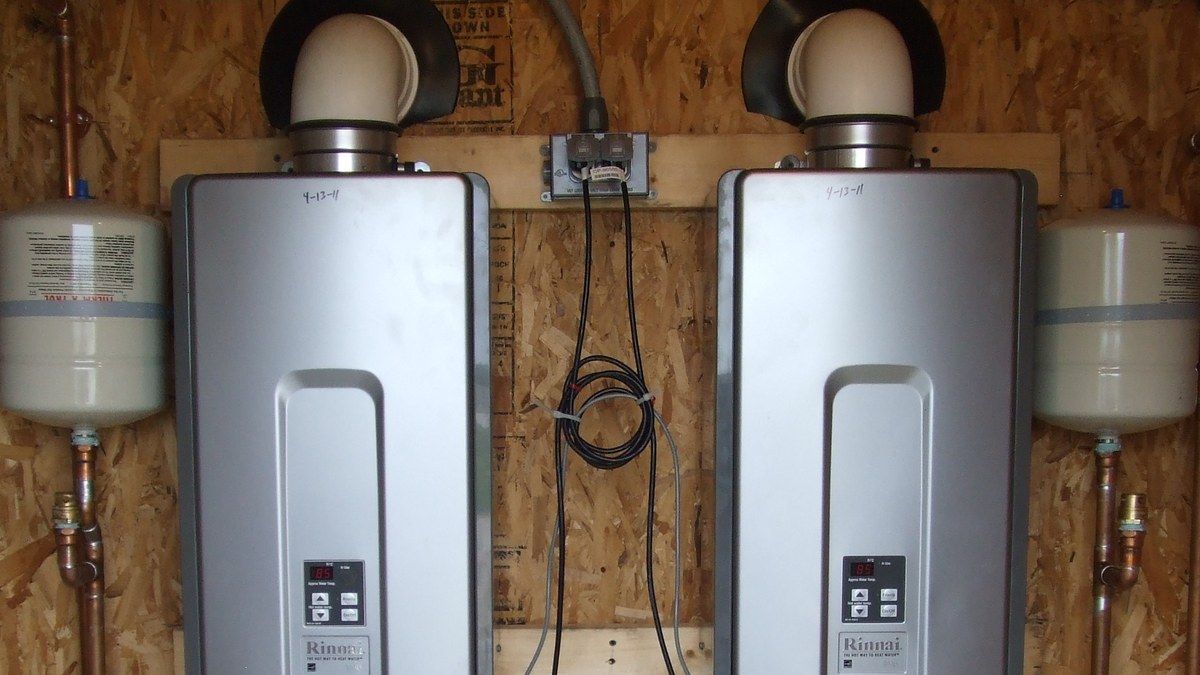
PERC data shows commercial propane equipment ranges from 44,000-BTU furnaces to 8.66-million-BTU boilers and generators up to 400 kW — a far wider gallons footprint than a single residential account. Owners weighing where to put capital and sales effort this fall should treat commercial diversification as a margin play, not just a growth play.
The Situation
PERC credits today's best commercial condensing propane tankless water heaters with 98% efficiency — one reason owners looking past residential heating share should be sizing up commercial accounts instead. Commercial propane spans everything from restaurant kitchens to hotel boilers, and PERC's own equipment range shows just how wide that BTU footprint runs compared to a single residential furnace account.
The Facts
The BTU Range a Residential Furnace Can't Touch — PERC's own equipment breakdown for commercial propane spans furnaces from 44,000 BTU/h up to 1 million-plus, boilers up to 8.66 million BTU/h, tankless water heaters rated as high as 98% efficiency, commercial dryers from 18,000 to over 550,000 BTU/h, and generators from 5 to 400 kW. A single hotel or hospital account can move more gallons through one boiler than a dozen residential furnace customers combined.
Bigger Tanks, Steadier Demand — Commercial accounts typically run on 1,000-gallon-and-up tanks, often full bulk plants, with uptime requirements that make them less price-sensitive on service response than a residential customer choosing between suppliers on delivery day. Many also run multi-fuel relationships, taking propane alongside diesel and gasoline from the same supplier, which deepens the account beyond a single fuel line.
The Diversification Math Owners Should Run — Chasing new residential accounts means competing on price and delivery reliability, one household at a time. Commercial accounts — foodservice, hospitality, education, and institutional buildings among them — offer fewer, larger relationships with equipment footprints that make propane the practical choice for high-heat cooking, fast water recovery, and generator backup. That's a smaller sales list with a bigger gallons-per-account payoff, and it's worth a real look at your own account mix before this fall's sales push.
Business Impact
A residential-heavy book of business means fighting for market share one household at a time, against every competitor doing the same thing. A handful of new commercial accounts, even at a slower sales pace, can move more gallons per relationship than the same effort spent on residential doors.
What this means for your business: 1. PERC's own equipment range shows commercial accounts carry far higher BTU demand per account than residential — fewer sales calls can move more gallons. 2. Commercial customers on multi-fuel relationships give you more revenue per relationship and a stickier account than a single-fuel residential customer. 3. This is a capital and sales-effort allocation decision, not a quick pivot — commercial accounts require uptime commitments and larger tank infrastructure investment upfront. 4. Owners who review their account mix this fall, before winter locks up sales-team bandwidth, have more room to redirect effort toward commercial prospecting.
Key Data Points
- PERC-cited commercial furnace range: 44,000 to over 1 million BTU/h.
- PERC-cited commercial boiler range: up to 8.66 million BTU/h.
- PERC-cited commercial tankless water heater efficiency: up to 98%.
- PERC-cited commercial generator range: 5 to 400 kW.
- Commercial accounts typically run on 1,000-gallon-and-up tanks, often bulk plants.
Key Takeaways
- PERC's commercial equipment data shows BTU demand from 44,000 up to 8.66 million per unit, far exceeding a typical residential furnace account.
- Commercial tankless water heaters rated up to 98% efficiency give propane a real performance edge in high-demand settings.
- Commercial accounts often run multi-fuel relationships with one supplier, deepening the account beyond a single propane delivery.
- A smaller list of larger commercial accounts can move more total gallons than the same sales effort spent competing for residential doors.
Action Steps
- 1.Pull your current account mix and calculate what share of total gallons comes from commercial versus residential accounts.
- 2.Identify three local foodservice, hospitality, or institutional prospects that currently run natural gas or electric and could convert to propane.
- 3.Review your bulk-plant and tank inventory capacity to confirm you can support a new large commercial account before you pitch one.
- 4.Ask your sales team this week: how many commercial leads are sitting untouched because residential calls filled the schedule?
Competitive Advantage
Owners chasing commercial accounts need a way for prospects to find and inquire about service beyond a cold call. A branded online presence built for fuel companies, like fuelsite.pro, gives commercial prospects a place to request a quote before your sales team ever picks up the phone.
If you calculated your gallons per account today, would commercial or residential come out ahead on your books?
Get the next one in your inbox.
Free propane industry news, twice a week. 30,000+ operators already read it.
No spam, unsubscribe anytime. We'll email you a link to confirm — that's how we keep the list real. Cloudflare processes a short bot-check token on this form. See our privacy policy.
Published by PropaneInsider.com
AI-powered propane industry news for 30,000+ professionals
Propane Insider is published by the makers of Tank Spotter, Custom Fuel App, Blink Fuel, PIMS and Propane Safety Pro; some links go to advertisers.