
Grain-Drying and Generator Season Collide This Fall — Here's How to Capture Both
Is Your Fleet Ready for Harvest and Storm Season at Once?
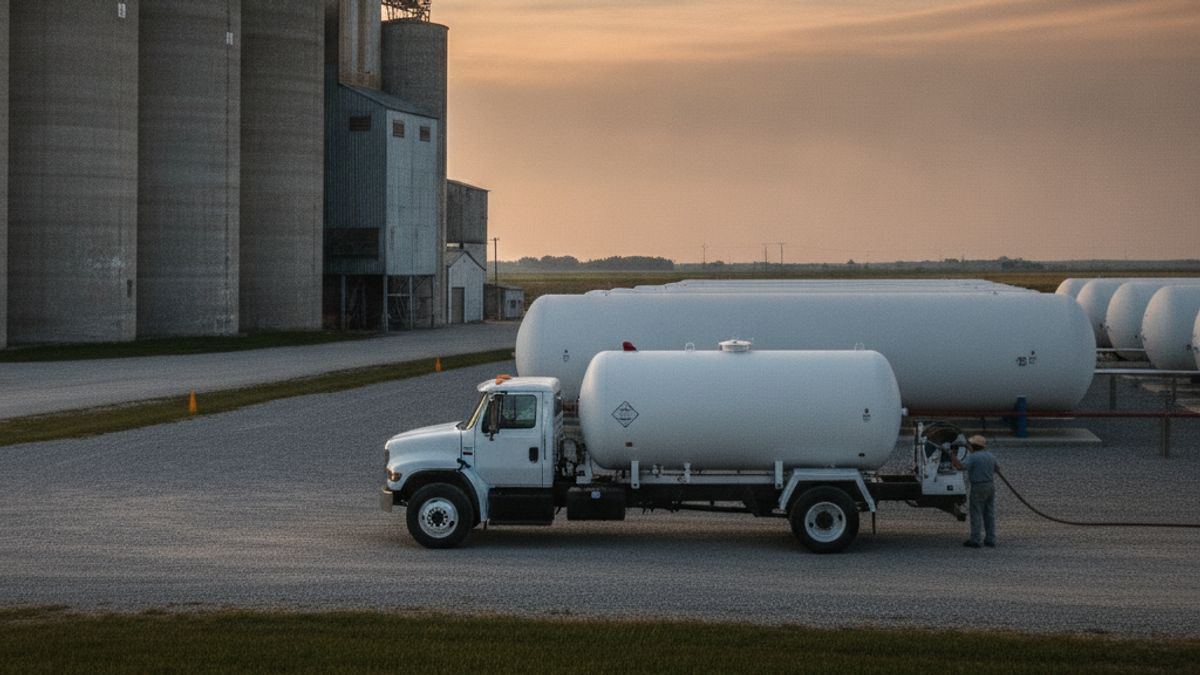
Grain drying and standby generators pull on the same fall calendar, the same bobtail fleet, and the same on-call roster. Most companies staff for the harvest side and improvise the storm side. The work that changes that happens in August: cross-reference the two account lists, get ag contracts signed before the combines roll, and run maintenance on the generator base while the weather is still boring.
The Situation
Harvest-season grain drying and hurricane-season generator calls land in the same six-to-eight-week window every fall. Atlantic hurricane season runs into November. Midwest corn and soybean drying typically ramps through September and October. That leaves one bobtail fleet and one on-call roster covering two emergencies that do not coordinate their timing.
The Facts
Map the Overlap Accounts Pull every farm and grain-elevator account alongside every standby-generator account, then run them against each other for geographic and staffing overlap. Owners who have never cross-referenced the two lists tend to find more than they expected: same route, same on-call tech, two different emergencies.
Pre-Position Bobtail Capacity Before the Calls Start Grain dryers run around the clock during a wet harvest. Generators kick on the moment the grid drops. Both spike delivery frequency on short notice, which is why staging an extra route or a rented tank near a cluster of ag accounts ahead of the season beats redeploying a truck mid-crisis.
Lock In Ag Contracts Before the Combines Roll A season-ahead contract with grain elevators and larger farm accounts does two things at once: the gallons become predictable for the dealer, and the price becomes certain for the customer. Wait until the first wet corn shows up, and the negotiation happens with an operator who has no other option that week. Nobody gets a good deal in that conversation.
Service the Standby Base Before Storm Season Peaks A generator that has not been serviced sits idle at the exact moment a customer needs it most. Use the pre-season window for maintenance calls on standby accounts. A scheduled visit now costs a route slot; an emergency dispatch during an outage costs the afternoon.
Build the On-Call Schedule for Both at Once If harvest response and storm response draw from the same on-call roster, the schedule has to assume both fire in the same week. A dispatcher holding the overlap map can build to that. Without it, the plan quietly assumes the two seasons take turns.
Business Impact
Ag and generator-standby gallons both carry strong margins, and the reason is simple: neither customer shops price in the moment. A wet harvest does not wait for a competing bid. Neither does a dark house. Miss the overlap and one demand spike gets served well while the other gets a late truck — and customers remember which one they were.
What this means for your business: 1) A season-ahead ag contract turns an unpredictable fall surge into gallons you can staff and finance against. 2) Maintenance done on the standby base in August is an appointment; the same work during an outage week is an emergency. 3) Both spikes draw on one fleet, so an unmapped overlap shows up as a real staffing shortfall, not a busy week. 4) Owners who plan harvest and storm response together get more out of the trucks they already own.
Key Data Points
- Atlantic hurricane season runs into November, overlapping Midwest corn and soybean drying in September and October.
- Grain dryers and standby generators both create short-notice delivery-frequency spikes on the same bobtail fleet.
- A season-ahead ag contract sets gallons and price before drying starts, while the farm account still has room to shop.
- Standby-generator maintenance done before storm season turns an emergency dispatch into a scheduled visit.
Key Takeaways
- Two fall demand spikes, one fleet: grain drying and generator standby arrive in the same six-to-eight-week window.
- Sign the ag contracts before the first wet corn shows up. After that, the customer is negotiating from need and the dealer is negotiating from a full schedule.
- Pre-season maintenance on standby generators converts outage-week emergencies into ordinary route stops.
- Cross-referencing the farm list against the generator list is the cheapest hour in the plan, and most owners have never spent it.
Action Steps
- 1.Print the farm and grain-elevator list next to the standby-generator list and check them for shared routes and shared on-call techs.
- 2.Call your 10 biggest ag customers about a season-ahead contract before the first wet corn hits the dryers.
- 3.Schedule pre-season maintenance across the whole standby-generator base — including the accounts that never call.
- 4.Build the on-call schedule for the 6 to 8 weeks where harvest and storm response overlap, and assume both fire in the same week.
Competitive Advantage
Owners who have already diversified delivery capacity have an easier time flexing a truck between an ag route and a storm route without adding headcount. Some have done it by adding on-demand gasoline and diesel delivery through a platform like blinkfuel.com.
Have you mapped your farm and standby-generator accounts against each other — or will you find out about the overlap the first week both fire at once?
Get the next one in your inbox.
Free propane industry news, twice a week. 30,000+ operators already read it.
No spam, unsubscribe anytime. We'll email you a link to confirm — that's how we keep the list real. Cloudflare processes a short bot-check token on this form. See our privacy policy.
Published by PropaneInsider.com
AI-powered propane industry news for 30,000+ professionals
Propane Insider is published by the makers of Tank Spotter, Custom Fuel App, Blink Fuel, PIMS and Propane Safety Pro; some links go to advertisers.