
Four Pricing Programs, One August Deadline: Lock Your Pre-Buy Terms Now
Which of the Four Pricing Programs Protects Your Margin Best?
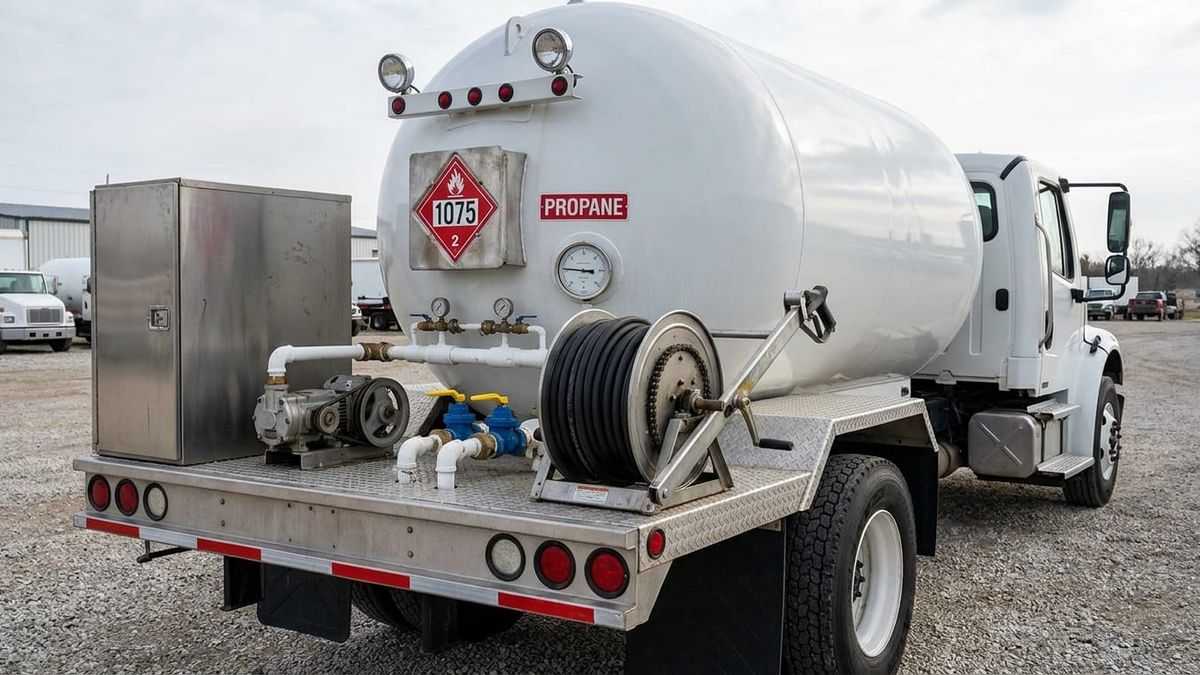
Most propane dealers put four pricing programs in front of customers, and only three of them actually set a price. The mix an owner settles on in August — before heating-season demand hits — is the mix the whole winter runs on. Once enrollment windows close, the decision has already been made by whoever happened to call in.
The Situation
Four. That is how many pricing programs most propane dealers put in front of a customer: pre-buy, price-cap, fixed-price contract, and budget billing. Three of them change the price. The fourth only changes when the money shows up. August is when an owner still gets to choose the mix. By October the pre-buy window is closing and the choosing is over.
The Facts
Know What Each Program Actually Protects — Start with the default, because every one of these sits on top of it: a per-gallon variable rate carries full market exposure in both directions. Pre-buy locks in a customer's expected seasonal volume at a fixed rate set before the season starts; the customer gets budget certainty, the dealer gets supply-planning certainty, and the upside disappears if the market falls. Price-cap protection is the more expensive cousin — the customer gets a ceiling and still benefits if prices drop, and the dealer carries more hedging cost than a straight pre-buy. Fixed-price contract pricing guarantees a per-gallon rate for the term without the prepayment, which is why it is the usual shape for commercial and ag supply agreements.
Budget Billing Is the Odd One Out — It belongs on the list because customers ask for it by name, and it belongs in its own category because it is not a pricing decision. Budget billing spreads a per-gallon customer's payments across the year. The price per gallon underneath is whatever it was going to be. An owner counting it as margin protection has miscounted, and that is the miscount that makes a pricing mix look more defensive than it is.
Timing Decides More Than Structure Does — Every one of those programs depends on when a dealer decides to offer it. Pre-buy and price-cap enrollment windows close before the season starts. An owner who waits until customers start calling in October has already given up the leverage early commitment gives a dealer buying ahead of winter demand. August, while call volume is still light, is when the programs get matched to customer segments.
Margin Reads Differently by Segment — A residential per-gallon account, a commercial contract account, and an ag customer on a seasonal fill schedule do not deliver the same margin per gallon. Fixed costs land differently across them — tank rental, hazmat fees, delivery frequency. An owner who reviews margin segment by segment, rather than as one blended average, can see where the program mix is helping and where it is quietly costing money, before the season locks it in.
Business Impact
The cost of a wrong pricing mix does not show up until the season is already running. A dealer overweighted in pre-buy in a year prices fall loses margin on every locked gallon. A dealer with too little pre-buy in a year prices spike buys replacement supply at the worst possible moment.
What this means for your business: 1. An enrollment window that closes before the segment-margin review happens locks in a mix nobody actually chose. 2. Blending commercial and ag contract accounts into one average margin number hides which of them is carrying the book. 3. Counting budget billing as one of your price-protection programs overstates how much of the book is actually protected. 4. A family-owned dealer carries less balance-sheet cushion for a bad pricing-mix year than a regional player does, which makes the August review worth more at that size, not less.
Key Data Points
- Four pricing programs run side by side at most propane dealers: pre-buy, price-cap, fixed-price contract, and budget billing.
- Pre-buy locks in a fixed rate for a customer's expected seasonal volume ahead of the heating season.
- Price-cap protection gives customers a ceiling while preserving upside if the market falls, at a higher hedging cost to the dealer than a straight pre-buy.
- Fixed-price contract pricing guarantees a rate for the term without prepayment, and is the usual structure for commercial and agricultural supply agreements.
Key Takeaways
- The pricing mix an owner sets in August is the mix that governs margin exposure all heating season.
- Pre-buy and price-cap enrollment windows close before demand hits — reviewing segment mix after customers start calling means the leverage of early commitment is already gone.
- Residential, commercial, and ag accounts carry different margin structures once fixed costs like tank rental and hazmat fees are factored in, and a blended average hides that difference.
- Budget billing smooths payment timing for the customer; the dealer's per-gallon margin is untouched. Counting it as price protection inflates how protected the book looks.
Action Steps
- 1.Pull up your customer list this week and sort it by pricing program before you sort it by account size.
- 2.Review margin by segment — residential, commercial, and ag — at least 30 days before your pre-buy enrollment window closes, because the review is worthless once the terms are out.
- 3.Decide now which segments get offered pre-buy and price-cap options this year, rather than defaulting to last year's mix.
- 4.Put this year's segment margin next to last year's — same 12 months, same segments — and flag the biggest swing.
- 5.Before you print any pre-buy or price-cap terms, confirm your state's rules with your own counsel — several states, New York most notably, regulate or restrict consumer pre-pay fuel sales, and most states require the program's terms and any early-termination charge to be disclosed at enrollment. California, New York, Massachusetts and New Jersey are the ones to check first.
Competitive Advantage
Owners who finalize their pricing-program mix by segment in August, before enrollment windows close, lock in the margin protection that pricing structure is supposed to provide — instead of inheriting whatever mix customer calls happen to produce once the season starts.
If you reviewed margin by customer segment today instead of blended average, which segment would surprise you most?
Get the next one in your inbox.
Free propane industry news, twice a week. 30,000+ operators already read it.
No spam, unsubscribe anytime. We'll email you a link to confirm — that's how we keep the list real. Cloudflare processes a short bot-check token on this form. See our privacy policy.
Published by PropaneInsider.com
AI-powered propane industry news for 30,000+ professionals
Propane Insider is published by the makers of Tank Spotter, Custom Fuel App, Blink Fuel, PIMS and Propane Safety Pro; some links go to advertisers.