
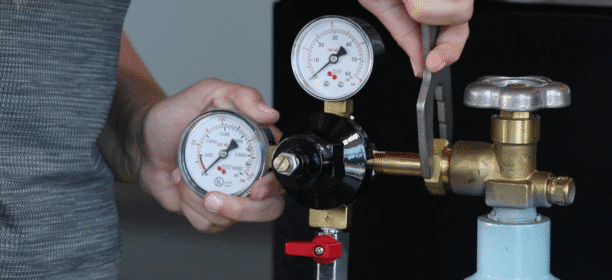
Gas pressure regulators are at the heart of every propane system. Their role is simple but critical: reduce and stabilize the pressure coming from a storage tank so that appliances and equipment operate safely. A regulator installed incorrectly — or one that hasn’t been kept up to today’s standards — can lead to leaks, underperformance, or even dangerous failures.
Recent updates in training guidance highlight how important it is for propane professionals to stay current with installation practices. As systems become more complex and codes continue to evolve, applying the latest recommendations ensures not only safety but also efficiency and long-term reliability.
Why Updates Matter
Safety has always been the driving force behind updates to regulator installation practices. A regulator that fails under pressure can create serious hazards, while undersized or poorly installed regulators can leave customers with appliances that don’t perform as expected. Beyond safety, these updates also reflect industry needs for:
Regulatory compliance — keeping up with new standards and inspections.
Operational reliability — reducing service calls and equipment failures.
Customer trust — ensuring every system performs as promised.
Key Elements of Proper Regulator Installation
The latest training updates build on long-standing best practices, but they also encourage propane professionals to look more closely at details that are often overlooked. A few of the most important areas include:
Regulator Selection and Sizing
Choosing the right regulator has always been essential. Installers should confirm that the unit can handle the inlet pressure and expected demand while also considering future growth in usage. Newer guidance encourages a more conservative approach, giving systems more room to handle sudden demand surges.
Venting and Pressure Relief
A clear, unobstructed vent line is one of the most important safety features of a regulator. Recent updates stress proper vent placement, the use of weather protection like screened covers, and termination points that direct gas safely away from buildings and ignition sources. Installers are also reminded to prevent moisture buildup that can block venting.
Orientation and Mounting
Regulators must be installed in the correct position and firmly supported. The updated recommendations also emphasize accessibility for maintenance and reduced strain from piping or vibration.
Piping and Connections
Leak-free connections remain non-negotiable. In addition to using compatible materials and sealants, new training highlights the benefit of flexible connectors in certain situations to reduce stress on regulators and piping.