
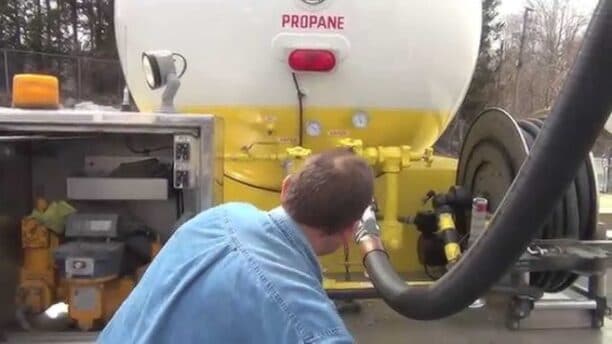
Propane businesses rely on their drivers to ensure safe and efficient deliveries. However, the process of hiring and maintaining qualified drivers goes beyond just filling positions — it requires meeting strict regulatory requirements and ensuring ongoing training. As the industry faces workforce shortages and evolving compliance standards, propane companies must take a proactive approach to driver qualification to maintain safety, reliability, and operational success.
Understanding Driver Qualification Requirements
Propane drivers must meet specific industry and federal requirements before they can operate a bobtail or transport hazardous materials. A Commercial Driver’s License (CDL) with the proper endorsements is essential, along with a Hazardous Materials (HAZMAT) endorsement, which requires a Transportation Security Administration (TSA) background check. Additionally, the Department of Transportation (DOT) mandates medical certifications to ensure drivers are physically capable of handling their duties.
Beyond these basic qualifications, companies must conduct thorough background checks, driving record reviews, and drug and alcohol testing as part of the hiring process. Regular evaluations and updated certifications are also required to maintain compliance and uphold safety standards.
Challenges in Driver Qualification
Many propane businesses are struggling to find and retain qualified drivers. The process of obtaining a CDL and HAZMAT endorsement can be time-consuming and costly, discouraging new applicants from entering the industry. Additionally, an aging workforce means experienced drivers are retiring faster than new ones are joining, creating a labor gap that businesses must address.
Strategies for Hiring and Retaining Qualified Drivers
To overcome hiring challenges, propane companies can invest in driver training programs that help candidates obtain the necessary qualifications. Covering CDL and HAZMAT certification costs or offering paid apprenticeships can attract more applicants and build a stronger workforce. Some businesses also partner with vocational schools or trucking programs to recruit new drivers directly from training programs.