
Propane Dealers Get a $2,560,000 Equipment Write-Off Before Dec. 31
Your Section 179 Cap Just Jumped to $2,560,000
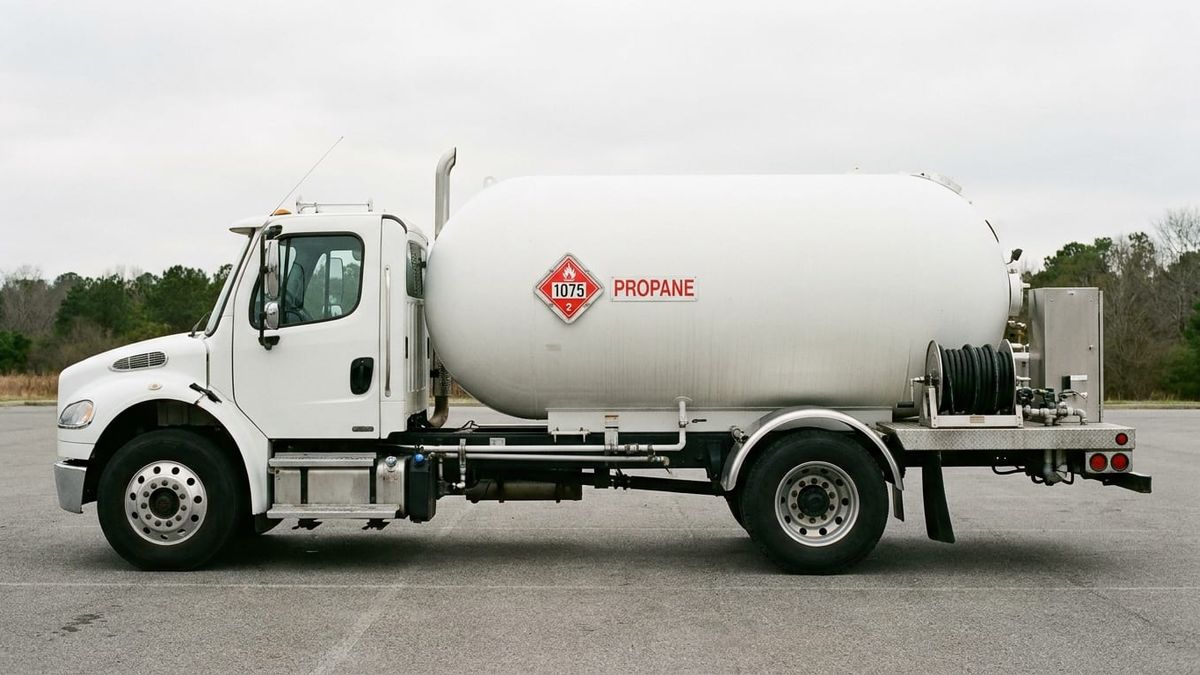
Section 179, permanent bonus depreciation and SBA 7(a) lending give dealers room to time equipment and ownership deals around cash flow instead of an expiring tax rate.
The Situation
Every bobtail, bulk-plant upgrade or buyout a propane dealer closes before Dec. 31 lands in a tax year with a $2,560,000 Section 179 expensing limit. The limit phases out dollar-for-dollar above $4,090,000 of qualifying property placed in service, figures K&R Strategic Partners, a CPA firm, ties to Revenue Procedure 2025-32. The One Big Beautiful Bill Act also made 100% bonus depreciation permanent, according to DeMera DeMera Cameron, another CPA firm. For ownership deals, the SBA's 7(a) program can finance a full or partial change of ownership.
The Facts
K&R's analysis shows how the phase-out works. A dealer placing $4,600,000 of qualifying equipment in service in 2026 exceeds the threshold by $510,000, which cuts the available deduction to $2,050,000; at $6,650,000 in total purchases, the deduction disappears. K&R also notes the phase-out counts every Section 179-eligible item placed in service that year, even property a dealer doesn't elect to expense, so a large fleet order can shrink the write-off available on everything else bought the same year.
Bonus depreciation adds a second lever. DeMera DeMera Cameron, another CPA firm, says the One Big Beautiful Bill Act made 100% bonus depreciation permanent for property placed in service after January 19, 2025, which reverses a prior-law schedule that would have dropped the rate to 20% in 2026 and to zero in 2027. Unlike Section 179, which is capped by the business's taxable income for the year, bonus depreciation carries no such cap and can even create a deductible loss.
Vehicles follow their own rule: DeMera DeMera Cameron puts the first-year Section 179 cap for SUVs between 6,000 and 14,000 pounds GVWR at $32,000, with the balance recovered through standard depreciation. One thread is still open: the SBA's 7(a) program page lists a $5 million loan maximum and calls the program its primary business loan-guarantee vehicle, but it doesn't spell out how a lender would split that ceiling between equipment, working capital, and a full or partial ownership change within the same deal. Dealers weighing a 7(a)-backed buyout should confirm the structure directly with a participating lender, reachable through SBA's Lender Match tool or a local SBA District Office.
Business Impact
For a dealer weighing a new bobtail, a bulk-plant upgrade or a partner buyout, the 2026 rules change the math on when to sign. Most equipment placed in service this year can be written off the same year, according to K&R Strategic Partners and DeMera DeMera Cameron. Because bonus depreciation is now permanent, there is less pressure to close in December to beat an expiring rate, which leaves more room to time a purchase around cash flow.
What this means for your business: 1. Equipment placed in service before Dec. 31, 2026 can count toward this year's expensing limit. 2. A large fleet order counts toward the phase-out threshold and can shrink the write-off on everything else bought the same year. 3. Heavy SUVs have their own lower Section 179 cap, so plan vehicle purchases separately. 4. A 7(a) loan can be structured around an ownership transition, which is worth raising with a lender before year-end.
Key Data Points
- Phase-out example: $4,600,000 of 2026 equipment cuts the Section 179 ceiling to $2,050,000, per K&R Strategic Partners.
- Deduction disappears at $6,650,000 of total qualifying purchases, per K&R Strategic Partners.
- Bonus depreciation: permanent for property placed in service after January 19, 2025, per DeMera DeMera Cameron.
- Heavy SUVs (6,000 to 14,000 pounds GVWR): first-year Section 179 cap of $32,000, per DeMera DeMera Cameron.
Key Takeaways
- Section 179 is capped by a business's taxable income for the year and bonus depreciation is not, so which one you apply to which asset changes the actual deduction, according to DeMera DeMera Cameron.
- Every Section 179-eligible item placed in service counts toward the phase-out, even property you don't elect to expense, per K&R Strategic Partners.
Action Steps
- 1.This week, ask your CPA to run your 2026 qualifying purchases against the Section 179 limit and phase-out threshold before you place another order.
- 2.For each asset, ask your CPA whether Section 179 or bonus depreciation gives the better result, since only Section 179 is limited by taxable income.
- 3.Check the GVWR sticker on any new SUV or light truck before assuming full deductibility.
- 4.If a partner buyout is part of your plan, contact a lender through SBA's Lender Match tool or your local SBA District Office before Dec. 31 to ask how a 7(a) loan could structure the deal.
Competitive Advantage
Dealers who line up equipment purchases and loan structure before Dec. 31 keep full flexibility over which assets to expense and which to depreciate. That choice narrows once the filing deadline forces it.
If a partner buyout or retirement is on your horizon, has your lender told you how a 7(a) loan would structure it?
Get the next one in your inbox.
Free propane industry news, twice a week. 30,000+ operators already read it.
No spam, unsubscribe anytime. We'll email you a link to confirm — that's how we keep the list real. Cloudflare processes a short bot-check token on this form. See our privacy policy.
Published by PropaneInsider.com
AI-powered propane industry news for 30,000+ professionals
Propane Insider is published by the makers of Tank Spotter, Custom Fuel App, Blink Fuel, PIMS and Propane Safety Pro; some links go to advertisers.