
Maine Fuel Dealers Put Sen. Collins in Their Technician Lab to Press Hiring Needs
Why did Maine fuel dealers bring Sen. Collins into their tech lab?
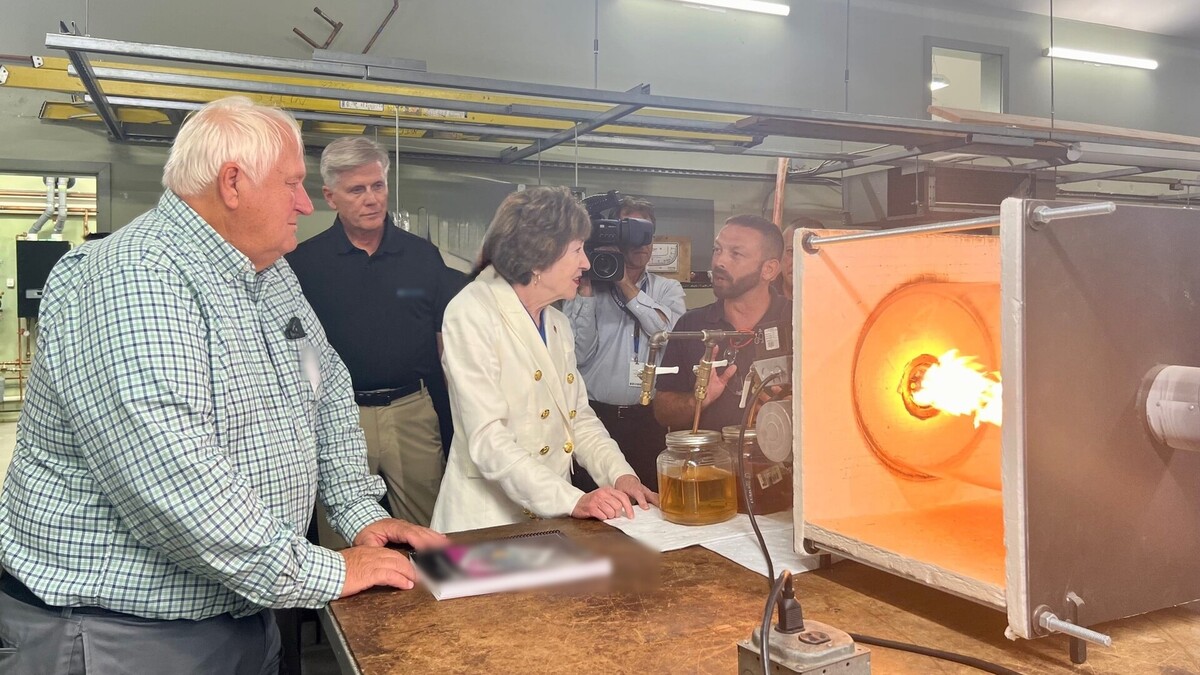
Maine's fuel-dealer association used a senator's lab tour to brief her on hiring, operating costs and supply. Neither available source reports enrollment, graduate placement or any bill tied to the visit.
The Situation
Maine fuel dealers are heading into heating season still short on trained service technicians, and they put that problem directly in front of a U.S. senator. According to a Maine Energy Marketers Association (MEMA) release, Sen. Susan Collins toured the training labs at the Maine Technical Education Center (MTEC) in Brunswick on Sept. 3, 2026. MEMA members pressed her on recruiting and training workers while she was there. Dealers elsewhere can copy the approach: help run part of the training pipeline, then show it to the people who shape federal policy.
The Facts
According to The Maine Wire, MTEC is a nonprofit that MEMA's member companies own and run. Its courses cover heating, cooling, ventilation and refrigeration work. MEMA's release lists three topics members raised with Collins: finding and training workers, what it costs to run their businesses, and keeping fuel supplies dependable and affordable for Maine households. The release describes a membership that sells heating and motor fuels, propane and renewable liquid heating fuels. The Maine Wire counts more than 300 member businesses and organizations.
"Our members are providing essential services to Maine families and businesses every day, and having a strong pipeline of well-trained technicians is critical to the future of our industry." Charlie Summers, MEMA President and CEO, said that in the release. Collins gave the Maine Wire her own take: "The hands-on education provided by the MEMA Technical Education Center prepares students for rewarding careers while helping Maine energy companies meet their workforce needs," she said. The paper added that the National Oilheat Research Alliance helps fund the center.
Several things remain unknown. Neither source gives enrollment, graduate counts or how many graduates go to work for propane companies. Neither describes any legislation or funding request connected to the visit.
Business Impact
A lawmaker who walks past boilers, students and instructors sees the hiring problem up close. Because members own the center, its courses also track the equipment their crews install and repair.
What this means for your business: 1. A training site gives your association a place to hold policy conversations on the industry's own turf. 2. Dealer ownership lets owners push curriculum toward the systems their crews service every day. 3. With no placement data yet, you can't judge how many graduates reach propane routes. Ask before you commit staff time or equipment.
Key Data Points
- The MEMA release photo shows Collins touring with Summers, Mike Estes of Estes Oil and MTEC instructor Paul Spaulding.
- The Maine Wire reports Collins worked with Sen. Jeanne Shaheen, D-N.H., in 2018 to secure a 10-year NORA reauthorization in the federal Farm Bill.
- The Maine Wire lists biofuel providers and convenience store operators among MEMA's members, alongside heating oil and propane marketers.
- Per the Maine Wire, MTEC revises its coursework as technology, industry standards and best practices evolve.
- The MEMA release links a C-SPAN program of Collins speaking to reporters in Brunswick during the same trip.
Key Takeaways
- A lab tour lets a lawmaker see the skills gap for herself, with students and instructors on hand to answer questions.
- Bring a working technician or student to any meeting with an elected official so the hiring story comes from someone who lives it.
- Treat placement numbers as the missing proof point and ask any training program how many graduates stay in fuel delivery and service.
- Sharing one school through an association lets smaller dealers train staff without building a lab of their own.
Action Steps
- 1.Have your service manager list the systems and certifications a new technician must master in the first year on the job.
- 2.Ask your state propane association whether it tracks where local training graduates are hired, and by what type of company.
- 3.Identify one working technician who would talk candidly with a lawmaker about recruiting and training on your crew.
- 4.Invite your state propane association and your local member of Congress to see your bulk plant or a technician training session this fall. Ask your association whether a school or training center near you takes dealer instructors or donated equipment.
Competitive Advantage
Dealers who help run or supply a local training program see promising students first. They can shape what those students learn and build ties with instructors who steer graduates toward employers. They also have a natural seat at the table when an elected official comes to hear about hiring.
If a senator toured your operation this fall, which workforce problem would you show first, and who on your crew would explain it?
Get the next one in your inbox.
Free propane industry news, twice a week. 30,000+ operators already read it.
No spam, unsubscribe anytime. We'll email you a link to confirm — that's how we keep the list real. Cloudflare processes a short bot-check token on this form. See our privacy policy.
Published by PropaneInsider.com
AI-powered propane industry news for 30,000+ professionals
Propane Insider is published by the makers of Tank Spotter, Custom Fuel App, Blink Fuel, PIMS and Propane Safety Pro; some links go to advertisers.