
Ask About Runouts Before You Quote a Gallon Price
Is Your Desk Quoting Price Before the Runout Question?
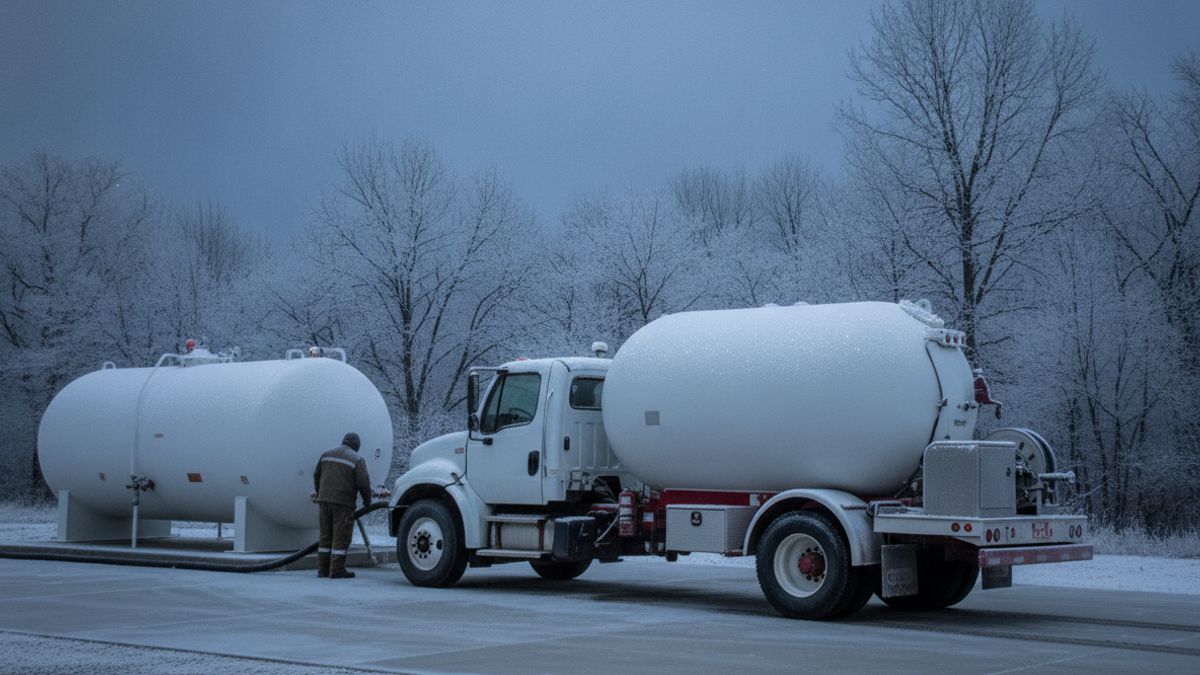
Ask what the caller is trying to avoid before you quote a gallon price. Get the problem first, then match autofill, will-call, or enrollment to it. Pull the last 10 inbound quote calls and check which ones heard a problem question before the number.
The Situation
The inbound that starts with a price-per-gallon question is the call most offices answer with a number — and then lose. You are on the desk. Someone wants a quote. A feature dump — we sell propane, we have trucks, we deliver — treats them like a commodity shopper. They called because a tank, a stove, a generator, or a shop heater is at risk of going empty. Name that problem before you name the gallon. Ask first, then enroll.
The Facts
The Price Question Is a Trap
When a caller asks what you charge per gallon, they are not done deciding. They are testing whether you will turn the talk into a number fight. Quote first and you race a bigger brand on margin.
Ask what the caller is trying to avoid before you quote a gallon price. On your desk, that need is an empty tank, a cold shop, a generator that has to start, or a family that already ran out. The need is not the word propane.
Ask One Problem Question First
Keep a card by the phone. What got them to call — a low gauge, a new house, a missed delivery, a shop that can't go down? Will-call, or a missed autofill? Who hurts if the tank goes dry? If they are mad, agree with the problem. Do not defend a fee they have not heard. Do not bash the last company. Hear them, say you can help, ask what you still need to know, then give the next fill window.
Say the Problem Back, Then Enroll
Use their words: you do not want another runout. Then match the offer. Runout fear gets autofill, not a will-call pitch that waits on them. Bill shock gets fees and the invoice before the gallon number. Match the offer to the problem you just heard: runout fear gets autofill; bill shock gets fees and the invoice before the gallon number. "We sell gas" is the product line. Sell the empty-tank problem instead.
Four Moves on the Live Call
First, let them finish. Second, ask one problem question before any quote. Third, repeat the problem in one sentence and match autofill or will-call to it. Fourth, quote last, with fees in the same breath. Keep notes after the call. Whether your desk wins or loses will show which pitches died at the price and which enrolled when you named the empty tank.
Business Impact
A price-first desk turns a service company into a gallon vendor. That trains the caller to shop you. A problem-first desk still quotes, but only after the caller has a reason to stay.
What this means for your business: 1. The price inbound is the first leak — a number with no problem named teaches the shopper to leave. 2. A caller who hears a plan for the empty tank has a reason to stay on the line for the quote. 3. New Hampshire heat and Florida standby still buy reliability; only the appliance changes. 4. If lost quotes never heard a problem question, the desk is the gap.
Key Data Points
- A price-first answer puts the independent desk in a gallon race against a larger brand.
- Will-call is a poor fit when the caller's stated fear is running empty.
- Autofill is the offer that matches a runout story, not a product feature dump.
- Fees belong in the same breath as the gallon quote so the invoice is not a second fight.
- Problem-first questions belong on a card at the phone, not in a binder nobody opens during a live inbound.
Key Takeaways
- Quote a gallon price before you name the caller's problem, and you turn a service call into a commodity bid.
- Autofill fits runout fear; fees and the invoice first fit bill shock.
- Agreeing with an angry caller's problem, without bashing the last company, keeps the enrollment door open.
- A pad of call notes shows whether your desk sells gallons or sells never-running-out.
Action Steps
- 1.Put a card by the phone with three problem questions: what got them to call, will-call or autofill history, and who hurts if the tank goes dry.
- 2.On the next price inbound, do not quote until you have repeated their problem in one sentence.
- 3.After each quote on your next shift, jot whether you asked a problem question and whether they enrolled.
- 4.Write those three questions on the card tonight and use them on every price inbound tomorrow.
Competitive Advantage
Offices that ask the runout question before they quote keep the caller in a service talk, not a price fight. That is how a small desk wins the account the big brand thought it already had on gallons alone. The next price inbound is the test. Start this week: pull your call log from the last 10 inbounds and mark which ones heard a problem question before the quote — Pull the last 10 inbound quote calls and mark which ones heard a problem question before the number.
On your next price-per-gallon call, will you quote first — or ask what they are trying not to run out of?
Get the next one in your inbox.
Free propane industry news, twice a week. 30,000+ operators already read it.
No spam, unsubscribe anytime. We'll email you a link to confirm — that's how we keep the list real. Cloudflare processes a short bot-check token on this form. See our privacy policy.
Published by PropaneInsider.com
AI-powered propane industry news for 30,000+ professionals
Propane Insider is published by the makers of Tank Spotter, Custom Fuel App, Blink Fuel, PIMS and Propane Safety Pro; some links go to advertisers.