
Skipping Tire Rotations Cost a Driver $1,200 Last Winter
Tread Looked Fine. The Blowout Cost $1,200.
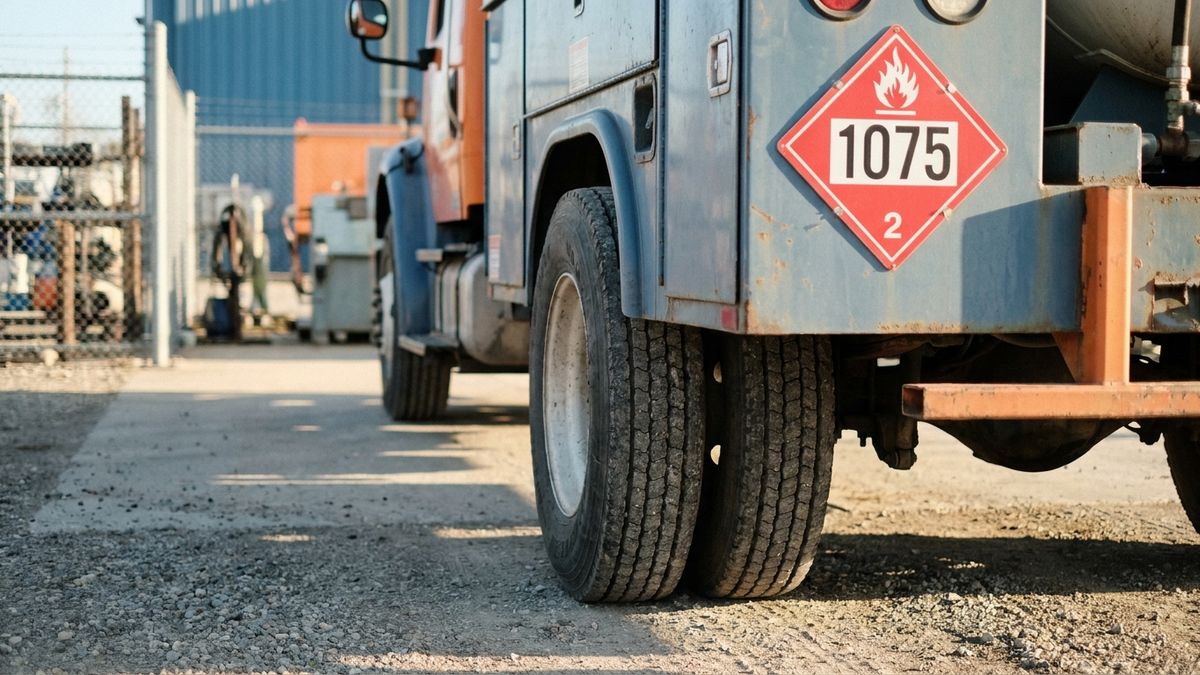
Uneven tire wear on bobtails is easy to miss and expensive when it ends roadside. Rotate every 6,000 miles and check inflation weekly to stop the pattern that cost one driver $1,200 in towing and new rubber, plus three lost delivery days, last winter.
The Situation
A bobtail operator in western Pennsylvania felt vibration at 55 mph on a January delivery run. He ignored it. The tires still had plenty of tread.
Two weeks later, an uneven wear pattern caused a blowout on an icy road. The bill: a $1,200 tow and new rubber, plus three lost delivery days.
The myth that "if the tread looks okay, the tires are fine" sticks because drivers check tread depth every pre-trip but rarely measure wear across the tire face.
The Facts
The Myth Many drivers treat visual tread depth as the only number that matters. Pre-trips catch cuts and low tread. They miss the shoulder wear that takes out a loaded bobtail.
The Reality Tires on loaded bobtails wear faster on the shoulders when inflation is even 8 psi low. Rotation every 6,000 miles equalizes that wear. One winter blowout from uneven wear ran $1,200 in towing and new rubber, plus three lost delivery days.
Correct pressure also improves fuel economy by up to 3 percent on highway runs.
A second myth: winter chains or studded tires are always safer. In most Midwest and Northeast conditions, correctly inflated all-season tires with proper tread depth stop shorter on cleared roads than chains.
Business Impact
One disabled bobtail in peak season shifts about 400 gallons a day onto other trucks. That means overtime, stretched routes, and a higher run-out risk.
What this means for your business: 1. Uneven wear forces premature replacements and adds hundreds in annual tire cost per truck. 2. Roadside failures trigger claims and can push premiums up. 3. Consistent tire discipline keeps every unit available for the schedule you already sold. 4. Drivers who see you maintain the equipment stay longer in a tight CDL market.
Key Data Points
- Rotate tires every 6,000 miles
- Check inflation pressure weekly
- Uneven shoulder wear signals low pressure
- Tow plus new rubber typically hits $1,200
- Fuel economy improves up to 3 percent at correct psi
Key Takeaways
- Tire rotation every 6,000 miles prevents shoulder wear that visual tread checks miss.
- Running 8 psi low on a loaded bobtail shortens tire life and can raise fuel use by roughly 3 percent.
- One blowout from uneven wear can cost $1,200 in towing and new rubber, plus three lost delivery days.
- Properly inflated all-season tires often stop shorter on cleared winter roads than chains.
Action Steps
- 1.Measure tread depth across the center and both shoulders on every pre-trip this week.
- 2.Put every bobtail on a 6,000-mile rotation calendar before Friday.
- 3.Log cold tire pressures weekly and set them to the manufacturer spec on the sidewall or door placard.
- 4.Pull last winter's repair invoices with your fleet manager and flag any repeat tire failures.
Competitive Advantage
Drivers who trust their rubber run safer routes and finish on time. Cut preventable tire failures and you keep gallons moving with the same fleet while the shop next door loses days to a tow truck.
What was the last tire-related roadside event on your truck, and how many deliveries did it cost that day?
Get the next one in your inbox.
Free propane industry news, twice a week. 30,000+ operators already read it.
No spam, unsubscribe anytime. We'll email you a link to confirm — that's how we keep the list real. Cloudflare processes a short bot-check token on this form. See our privacy policy.
Published by PropaneInsider.com
AI-powered propane industry news for 30,000+ professionals
Propane Insider is published by the makers of Tank Spotter, Custom Fuel App, Blink Fuel, PIMS and Propane Safety Pro; some links go to advertisers.