
5 Steps That Turn a New-Tank-Set Call Into a Signed Delivery Contract
Is Your New-Tank-Set Call Getting Away From You?
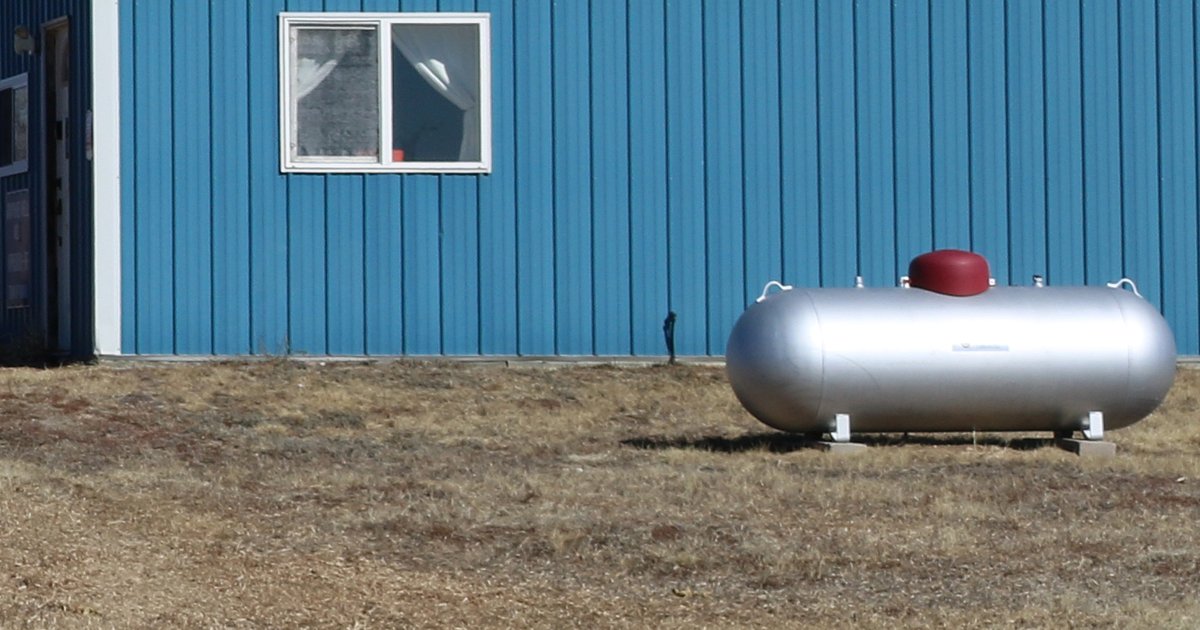
Most propane companies handle new-tank-set inquiries with no repeatable process — one call, one quote, no follow-up. A five-step intake-to-close system installed this week turns more of those calls into signed accounts and referral customers.
The Situation
The phone rings with a new-tank-set inquiry — a homeowner switching off oil, a builder closing out a spec house, a family adding a propane generator — and at most family-owned propane companies, whoever answers quotes a price, maybe books a site visit, and hopes it closes. There's no written process behind that call: no standard qualifying questions, no documented follow-up if the caller doesn't pick up on the callback, no next step if they go quiet for two weeks. That gap is how a company that generated the lead first still loses the account to whoever calls back faster and asks for the sale.
The Facts
Step 1: Qualify the address before you quote a price. Before anyone gives out a number, confirm the service address sits inside your bulk plant's delivery radius. Propane delivery economics generally hold up within about 30 to 35 miles of the plant. Route density and winter dispatch capacity break down past that point — a lead outside your zone is better referred to a neighboring dealer than quoted. That two-minute check saves the awkward call three weeks later, when the truck can't reach the driveway on the schedule you promised.
Step 2: Put the price in writing, broken out from fees. Quote verbally if you want, but follow every new-tank-set quote with a written confirmation that separates the per-gallon price from tank rental, hookup, or service fees. A caller who gets one number on the phone and a different one on the invoice won't sign a second contract with you. Several states already require that kind of fee disclosure at enrollment — check your state's rules before you finalize your quote script.
Step 3: Book the site visit on the call, not "we'll follow up." The biggest leak in a homegrown sales process is the callback that never happens. If the caller's ready, book a technician before you hang up — same call, same conversation. If they need to think it over, set the follow-up date out loud and write it down somewhere the rest of the office can see it.
Step 4: Build a follow-up cadence anyone in the office can run. A prospect who doesn't answer in 48 hours isn't dead — they're a lead with no system behind them. A simple two-touch cadence — a call at 48 hours, then a text or email at day five — catches most of the business a one-and-done callback loses. A lead-capture and follow-up sequence like the one built into fuelsite.pro runs that cadence automatically for inquiries that come through your website, so a slow office day doesn't cost you an account.
Step 5: Ask for the referral the day the tank is set. The best time to ask for a referral is the day the install crew leaves, while the customer is still glad they called you. Pair that ask with a review request on your Google Business Profile — review count and rating feed directly into local search ranking, and a thin profile loses the next "propane near me" search to a competitor with more reviews.
Business Impact
A new-tank-set inquiry that isn't qualified against your delivery radius — or that gets a soft quote instead of a scheduled visit — isn't just a lost sale. It's a wasted marketing dollar, since you already paid for that lead through your website, your Google Business Profile, or a referral relationship. A process that lives only in one employee's head also means the outcome depends on who answers the phone that day, which is a real problem when your best closer is out sick or a new hire is covering the desk.
What this means for your business: 1. A qualified lead that dies from slow follow-up costs you more than that one account — it costs the referrals and reviews that account would have generated once the tank was set. 2. Documenting the process means a new office hire can run it on day one, instead of sale quality riding on tenure. 3. A five-step process gives you something to measure — call-to-quote time, quote-to-signed time — numbers you can't track when the process only lives in someone's head. 4. As new-tank-set volume grows from oil-switch and generator demand, a documented process scales without adding headcount at the same rate.
Key Data Points
- Propane delivery economics generally hold within about 30 to 35 miles of a bulk plant; leads outside that radius are usually better referred than quoted.
- Several states require per-gallon pricing to be disclosed separately from fees on propane invoices and at enrollment.
- A two-touch follow-up cadence — 48 hours, then day five — is a documented process any office hire can run without guesswork.
- Google Business Profile review count and rating feed directly into local search ranking for 'propane near me' searches.
- The day of tank-set installation is the highest-intent moment to ask for both a referral and a review.
Key Takeaways
- Qualifying the service address against your delivery radius before quoting saves the wasted quote-and-cancel cycle on leads you can't economically service.
- A written price confirmation that separates per-gallon cost from fees prevents the invoice surprise that costs you the second contract.
- A documented 48-hour and day-five follow-up cadence catches the business a one-and-done callback loses, without depending on any single employee's memory.
- Asking for the referral and the review the day the tank is set turns one new account into the next one, while the customer is still glad they called.
Action Steps
- 1.Write down your current new-tank-set call script and mark where it breaks down — no callback date, no fee disclosure, no referral ask.
- 2.Set the 48-hour and day-five follow-up cadence as a standing office policy this week, logged somewhere everyone can see.
- 3.Add one line to your install checklist: ask for the referral and the Google review before the crew leaves the driveway.
- 4.Pull your last 10 new-tank-set inquiries and check how many got a scheduled site visit on the first call versus a 'we'll follow up' — that number tells you exactly where your process stands.
Competitive Advantage
Family-owned dealers who document this process close a higher share of new-tank-set calls simply because the outcome doesn't depend on who answers the phone. That consistency compounds: more signed accounts lead to more referrals and reviews, which feed the local search ranking that generates the next inquiry.
If your best salesperson took today off, would your new-tank-set calls still turn into signed accounts?
Get the next one in your inbox.
Free propane industry news, twice a week. 30,000+ operators already read it.
No spam, unsubscribe anytime. We'll email you a link to confirm — that's how we keep the list real. Cloudflare processes a short bot-check token on this form. See our privacy policy.
Published by PropaneInsider.com
AI-powered propane industry news for 30,000+ professionals
Propane Insider is published by the makers of Tank Spotter, Custom Fuel App, Blink Fuel, PIMS and Propane Safety Pro; some links go to advertisers.