
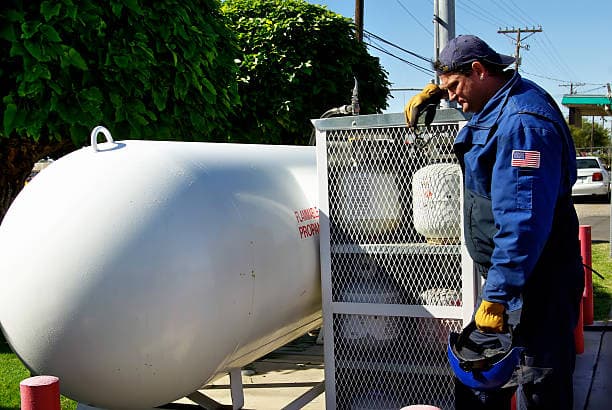
The propane industry may feel local, but its lessons come from every corner of the world. From how fuel is stored and distributed to how customers are served, international propane markets reveal new ways to stay competitive and efficient. For U.S. propane business owners, looking beyond domestic borders can offer valuable insights that improve operations, customer relations, and long-term growth.
While propane plays a major role in heating homes and powering farms across America, other countries have faced similar challenges, supply fluctuations, seasonal demands, and regulatory pressures. The difference lies in how they’ve adapted. By studying what’s worked abroad, U.S. owners can strengthen their own systems, prepare for market changes, and build smarter, more flexible businesses.
Global Approaches to Supply Stability
In many parts of the world, propane suppliers must deal with limited infrastructure and unpredictable supply chains. To stay resilient, they’ve built systems that prioritize storage capacity and local distribution partnerships. This helps ensure that fuel remains available even when transport routes face delays.
For U.S. businesses, these strategies highlight the importance of having strong backup plans. Expanding storage or forming partnerships with nearby suppliers can do much to help prevent shortages during extreme weather or high-demand periods. The goal is simple — keep supply steady and customers satisfied, no matter the conditions.
Adapting to Shifting Customer Expectations
In international markets, propane companies often operate in areas where customer needs change rapidly. Some customers rely on propane for cooking, others for heating or powering small businesses. To meet this variety, companies tailor their services to match usage patterns and offer flexible delivery options.
U.S. propane owners can apply the same principle by looking at their own customer base more closely. Not every household or business uses propane in the same way. Offering flexible payment plans, automatic deliveries, or loyalty programs can serve to strengthen customer trust and keep them from switching providers.
Embracing New Technology in Operations
Across Europe and Asia in particular, propane companies are adopting digital tools to make their operations faster and more reliable. Smart meters, route optimization software, and online refill systems have become common. These tools not only reduce costs but also make it easier to track customer usage and predict when tanks need refilling.
For U.S. businesses, adopting technology doesn’t have to involve hefty investments. Even small steps, like using tracking apps or automated reminders, can make scheduling and communication smoother. When technology simplifies your workflow, it saves time for both your team and your customers.