
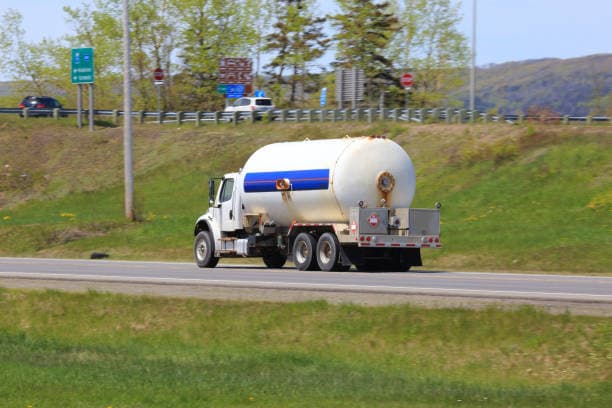
In the propane industry, security risks abound, necessitating a comprehensive approach to protect both physical and digital assets. From complying with transportation regulations to addressing cyber threats, prioritizing security is vital to safeguarding business continuity, financial stability, and the well-being of employees and customers.
Securing Physical Infrastructure
Physical security encompasses safeguarding facilities, equipment, and data from unauthorized access while facilitating authorized entry. While elements like fencing, gates, and locks are commonly associated with physical security, it is crucial to recognize the importance of protecting equipment and data as well. A comprehensive physical security plan should incorporate the following considerations:
1. Site layout: Design facilities with security in mind, ensuring proper placement of equipment and implementing access control measures.
2. Reliable power: Establish reliable power sources and backup systems to prevent disruptions in security systems.
3.Emergency response: Develop protocols and procedures to promptly address emergencies, ensuring personnel and assets’ safety.
4. Intrusion detection: Implement effective intrusion detection systems, including surveillance cameras, alarms, and monitoring mechanisms.
Organizations should also consider storing data off-site or at multiple locations with backup data to mitigate risks, minimizing the impact of physical incidents such as accidents, power failures, or natural disasters.
Enhancing Cybersecurity
Cybersecurity focuses on protecting data, networks, and programs from digital attacks. Cybercriminals exploit vulnerabilities in software and hardware using tactics like malware, hacking, and ransomware. To strengthen cybersecurity, companies should adopt the following practices: