
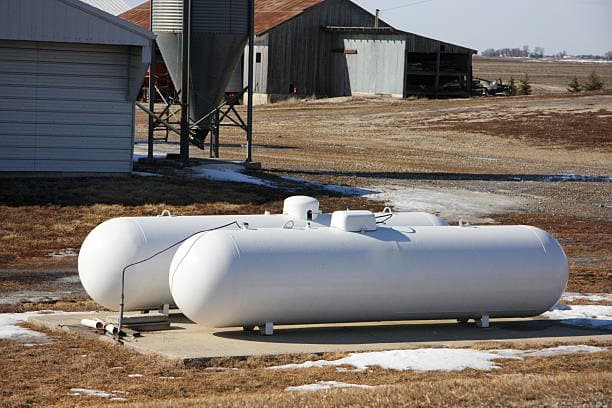
The push for electrify-everything policies is gaining momentum, with lawmakers and regulators advocating for an energy transition that prioritizes electricity over other fuel sources. While the goal of reducing emissions is widely supported, these one-size-fits-all policies often overlook the practical benefits of propane as a clean, reliable, and efficient energy source. As electrification efforts intensify, the propane industry is taking action to ensure that propane remains a viable choice for homes, businesses, and communities.
Advocating for Energy Choice
One of the biggest concerns with electrification mandates is the lack of consumer choice. Many policies aim to phase out propane and other fuels in favor of electric-only solutions, even in areas where electric grids are unreliable or costly to expand. The propane industry is pushing back by working with lawmakers and regulators to highlight the importance of energy diversity.
By demonstrating how propane can complement renewable energy and provide backup power during grid failures, industry leaders are making a strong case for keeping propane as part of the energy mix. Advocacy groups and trade organizations are actively engaging with policymakers to ensure that propane remains an option for consumers who depend on it for heating, cooking, and commercial applications.
Making the Case for Propane’s Environmental Benefits
A common argument for electrification policies is their potential to reduce carbon emissions. However, the propane industry is countering this narrative with scientific data showing that propane is already a low-emission fuel — and it’s getting even cleaner. Renewable propane, which is derived from sustainable sources like plant oils and waste materials, offers an even lower carbon footprint, making it a viable alternative to electricity in reducing emissions.
Unlike electricity, which is only as clean as its generation source, propane provides consistent and immediate carbon reduction without requiring massive infrastructure changes. Propane-powered appliances and heating systems are already highly efficient, producing fewer emissions than many grid-powered alternatives, especially in regions where electricity still relies on coal or natural gas.
Expanding Public Awareness
Many homeowners and businesses may not be aware of the potential downsides of full electrification, such as higher energy costs, grid reliability issues, and long-term infrastructure expenses. The propane industry is increasing public outreach efforts to educate consumers on the cost-effectiveness and reliability of propane compared to electricity.