
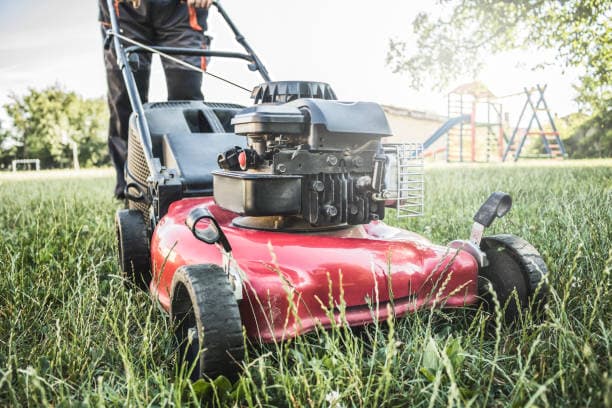
Switching to an alternative fuel source requires a shift in fueling strategies and crew training. Landscape business owners weigh in on their experiences using propane as an alternative to gasoline for their mowers, considering factors like maintenance, performance, fueling logistics, and environmental concerns.
Going Green for the Environment
Doug Duschene, owner of Bozeman Site Services in Bozeman, Montana, vividly remembers a smog-covered Salt Lake City during a drive. Determined not to see the same in his town, he made a change. In 2016, Bozeman Site Services transitioned to propane and converted all their mowers to propane power. This company offers maintenance, lawn care, snow removal, and irrigation services, primarily to residential clients (60%) and commercial clients (40%).
Besides reducing their environmental impact, the switch to propane also brought cost savings compared to gasoline. Doug Duschene, the owner, recalls, “It’s significantly cheaper, especially when gas prices were through the roof. At one point, it cost 25 percent of what you’d pay for gas.”
However, one key difference was that propane couldn’t be refueled at regular gas stations. Bozeman Site Services established its filling station and trained its employees in propane tank filling procedures to address this. According to Duschene, propane may be slightly less powerful than gasoline, but it’s sufficient for regular maintenance work. He notes, “You don’t need that high gas power unless you’re mowing through really thick grass.”
Over time, though, as dealers in their area stopped offering conversion kits, the company switched back to electronic fuel injection for their new mowers. Duschene mentions that propane helped them win contracts and save money, but he regrets not being able to continue with propane due to the lack of conversion kits for newer mowers.