
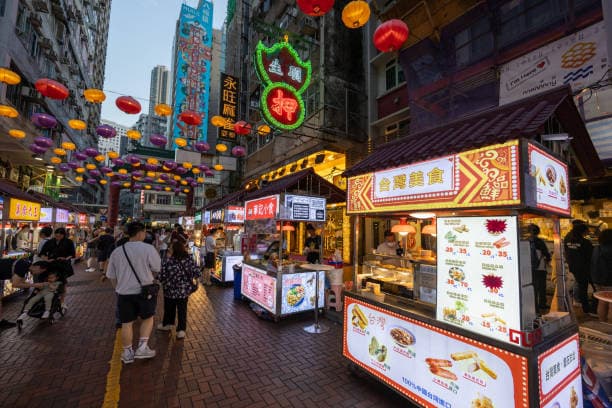
Street food has become a booming part of local culture in cities and towns across the country. From food trucks and mobile carts to pop-up kitchens at festivals, people are drawn to the variety, affordability, and energy of food served on the go. Behind the sizzling griddles and steaming pots is one essential fuel that makes this possible: propane.
Propane has become the backbone of street food operations because it is portable, reliable, and powerful enough to handle the constant demands of cooking in fast-paced environments. Without propane, many food vendors would struggle to provide quick, hot meals to their customers. For businesses entering or expanding into the street food market, propane is not just a fuel, it is the key that keeps their operation running smoothly.
Why Street Food Relies on Propane
Street food vendors need an energy source that can be set up quickly, run for hours at a time, and be transported easily from one location to another. Propane cylinders can consistently meet all these needs. They allow vendors to operate grills, fryers, ovens, and warming units without depending on electricity, which may not be available at outdoor sites or temporary events.
Cooking Performance and Efficiency
One of the biggest advantages propane provides to street food businesses is consistent cooking performance. It heats quickly, maintains steady temperatures, and gives chefs the control they need to prepare meals efficiently. Whether it’s grilling meat, frying snacks, or keeping soups warm, propane-powered equipment helps vendors serve customers faster and with better, more reliable results.
Portability and Flexibility
Street food thrives on mobility. Vendors must be ready to move from one location to another, often setting up in new places every day. Propane cylinders are easy to transport and can power multiple types of cooking equipment. This flexibility allows vendors to expand their offerings and adapt to customer demand without needing permanent infrastructure.