
Propane operations are built on planning, but performance is often dictated by variables no operator can control. Weather volatility, infrastructure constraints, regulatory shifts, and global energy flows continue to shape day-to-day execution in ways that are difficult to predict and even harder to manage in real time. For propane businesses, the risk is not simply disruption, it is the compounding effect on delivery efficiency, safety exposure, and financial stability. Companies that recognize these external pressures as constant, not occasional, are better positioned to adapt operations, protect margins, and maintain service reliability when conditions shift without warning.
Weather Volatility Disrupts More Than Demand Forecasts
Weather remains the most visible external factor, but its operational impact extends beyond simple demand spikes. Sudden temperature swings compress delivery windows, forcing dispatch teams to accelerate schedules and increase drop frequency within shorter timeframes. This often leads to route inefficiencies, higher overtime costs, and increased strain on drivers.
Extended cold snaps present a different challenge. Storage drawdowns accelerate, resupply timing becomes critical, and any delay in terminal access or transport availability can quickly cascade into service risk. Conversely, warmer-than-expected periods of time leave excess inventory in the system, thereby tying up working capital and affecting purchasing strategy.
The operational issue is not forecasting error; it is the speed at which conditions change. Systems that rely on static routing assumptions struggle to adjust when demand patterns shift within days rather than weeks.
Supply Chain Constraints Create Operational Bottlenecks
Even when supply is available at a macro level, getting the product where it needs to be remains a persistent challenge. Rail delays, driver shortages, and terminal congestion can all disrupt supply timing. These issues are often regional and unpredictable, making them difficult to hedge operationally.
When transport schedules slip, bobtail operations are forced to adjust quickly. Delivery prioritization becomes more aggressive, often pushing lower-priority accounts further out and increasing the risk of runouts. This reactive approach increases both operational cost and customer dissatisfaction.
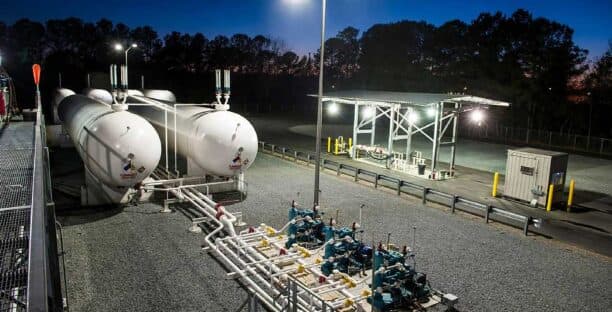
Storage strategy becomes a critical buffer in these situations. Companies with limited bulk capacity are more exposed to timing disruptions, while those with stronger storage positions can maintain delivery consistency despite upstream delays. The trade-off, however, is increased capital tied up in inventory.
Regulatory and Compliance Shifts Add Hidden Complexity
Regulatory changes rarely arrive in ways that align with operational timing. Updates to safety standards, driver requirements, or equipment compliance often require immediate attention, even during peak demand periods.
These changes introduce additional layers of complexity. Training requirements may pull drivers off routes, documentation standards may increase administrative workload, and equipment updates may require unplanned capital expenditures. None of these factors directly increases revenue, but all of them affect operational capacity.
The legal exposure is also significant. Falling behind on compliance, even unintentionally, can result in fines, liability risk, or insurance complications. For many operators, the challenge is not understanding the regulation, it is integrating it into existing workflows without disrupting service.