
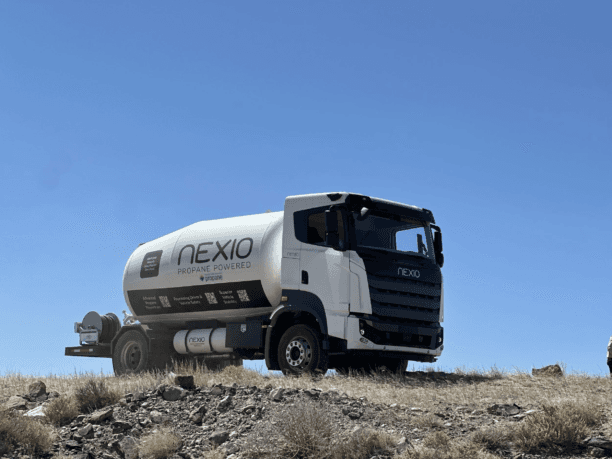
A new wave of propane autogas trucks is arriving, and it could give small propane delivery companies a practical way to cut costs, meet future emissions rules, and modernize their fleets without sacrificing reliability.
New Options Signal Momentum for Propane Autogas
Truck manufacturers Blue Bird and Nexio are rolling out new propane-powered delivery vehicles, thereby expanding the available choices for commercial fleets beyond just diesel and electric. This isn’t propane’s first entry into the transportation sector; autogas has already proven itself in school bus fleets nationwide. What’s different now is the growing availability of propane-powered trucks designed specifically for commercial delivery and vocational use. For propane businesses, that opens the door to both operational savings and new revenue opportunities.
Why Propane Autogas Is Gaining Attention
As stricter emissions standards approach — particularly the EPA’s 2027 rules — fleet owners are weighing the true cost of sticking with diesel.
Propane autogas stands out as a prime fuel option for a few reasons:
• Lower total cost of ownership (TCO): Propane vehicles typically cost less to fuel and maintain than diesel equivalents.
• Cleaner emissions: Propane burns cleaner, helping fleets meet tightening environmental requirements without complex after-treatment systems.
• Proven reliability: Unlike some emerging technologies, propane systems are already widely used and supported.
For short-haul delivery operations, where routes are predictable and fueling can be centralized, propane becomes even more practical.
A Practical Fit for Delivery Operations
Propane delivery companies are in a unique position to benefit from this shift. Not only can they adopt autogas vehicles internally, but they can also promote propane as a desirable transportation fuel option to their customers.
Consider a typical local delivery fleet:
• Vehicles return to base daily, making on-site fueling simple.
• Routes are consistent, reducing range concerns.
• Fuel costs are a major operating expense.
Switching even part of a fleet to propane autogas can lead to immediate savings while simplifying compliance with future emissions rules.