
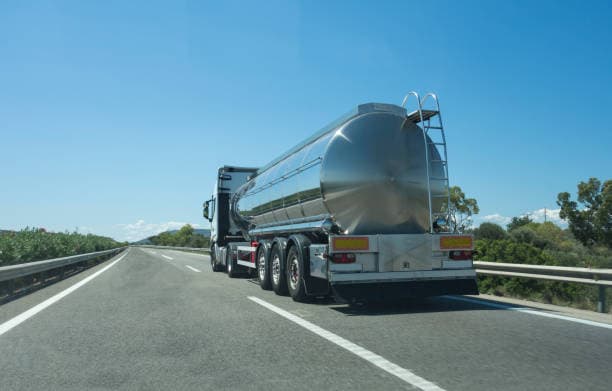
The transportation sector is undergoing rapid changes, presenting both challenges and opportunities for innovation and collaboration with customers. Grammer Logistics, a specialized and hazardous materials transportation company with over 50 years of experience, has witnessed the evolution of the industry firsthand. From hauling agricultural ammonia and propane in Indiana and Ohio to embracing safety technology, advanced equipment, and data-driven efficiency improvements, the company recognizes the exciting prospects that lie ahead.
While progress has been made in enhancing operations, transportation companies face ongoing market challenges. The COVID-19 pandemic has highlighted the complexities of our interconnected world, impacting the sourcing of equipment and parts needed for safe trucking operations. Although delivery delays have improved in recent months, they have not fully returned to pre-pandemic levels. This constraint affects overall truck capacity, particularly during peak demand seasons, which is the winter for propane.
Another challenge is the fluctuating demand for transport services due to the broader economic landscape. Freight volumes in 2023 have normalized compared to the highs of 2021-2022, with all transportation modes vying for drivers simultaneously. Maintaining consistency in wages and ensuring a high quality of life for drivers becomes more challenging in such circumstances.
To mitigate risks associated with varying demand, transportation companies can diversify their portfolio across different end markets. This approach enables them to haul different types of products and adjust driver assignments based on customer demand and regional needs. Grammer Logistics, for instance, launched its specialty chemical division in 2021, expanding hauling opportunities during periods when natural gas liquid commodities are less in demand.
The current labor shortage in the trucking sector is another significant hurdle that will impact the industry for years to come. With the average age of bulk drivers over 50 years old, retirement and part-time status are becoming more prevalent. Transportation companies are working diligently to retain experienced drivers and invest in training and mentorship programs to attract new drivers.
The specialized nature of hauling hazardous materials necessitates years of experience, attention to detail, and professionalism. While efforts are underway to recruit younger drivers, the expertise of tenured drivers remains invaluable to the industry as a whole.