
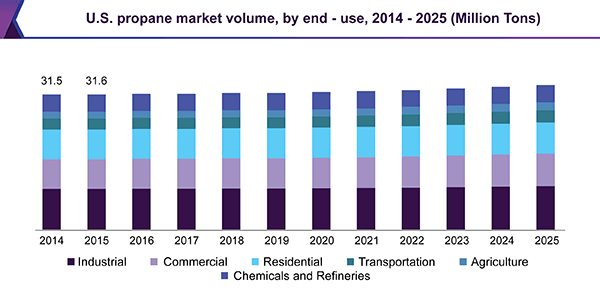
The propane market is dynamic, with various factors influencing its volatility. For propane delivery companies, understanding these market trends is not just beneficial — it’s essential for maintaining competitiveness and optimizing operations. This analysis aims to shed light on the current market trends in the propane industry and explore how these trends could affect delivery services, enabling companies to strategize accordingly.
Current Market Trends in the Propane Industry
1. Fluctuating Prices:
One of the most noticeable trends is the fluctuation in propane prices. Influenced by factors such as crude oil prices, supply and demand, geopolitical events, and market speculation, these variations can significantly impact a delivery company’s bottom line. Understanding the reasons behind price changes can help companies better anticipate and mitigate risks associated with cost volatility.
2. Environmental Regulations:
Increasing global emphasis on environmental conservation has led to stricter regulations on fuels, and propane is no exception. These policies often encourage cleaner energy sources, which could potentially work in favor of propane, as it’s considered cleaner than other fossil fuels. Delivery companies need to stay abreast of these regulations since they could herald increased market demand or necessitate changes in operation standards.
3. Technological Advancements:
The integration of new technologies in the propane industry, such as digital tank monitoring and advanced fleet management systems, is revolutionizing service standards. These innovations are setting a new trend where companies are expected to offer real-time service updates, automated scheduling, and enhanced safety measures.
4. Shift in Consumer Preferences:
More consumers, especially within the younger demographic, are showing a preference for companies that align with their values, such as environmental conservation and premium service delivery. They are also leaning towards providers that offer transparent pricing, online service capabilities, and consistent communication.
Implications for Delivery Services
1. Need for Strategic Pricing:
With the constant fluctuation in propane prices, delivery companies must develop strategic pricing methods. This strategy might involve fixed-rate plans, pre-buy options, or price caps that help customers budget more effectively while allowing companies to stabilize their revenue.
2. Adapting to Technological Expectations:
As the market moves towards advanced technological integration, delivery services need to invest in modern systems. These investments can improve service efficiency, enhance safety compliance, provide competitive customer service, and, importantly, meet the growing customer expectation for technology-based service enhancements.