Industrial Demand Outlook for Expanding Warehouses
By Bill Stomp, Founder/Editor··2 min read
Why Warehouse Growth Matters to Propane Routes Warehouse construction and expansion continue to reshape local energy demand across the United States. Driven by e-commerce growth, inventory reshoring, and faster delivery expectations, new distribution centers are appearing along highways, industrial parks, and the outskirts of suburbia.
Why Warehouse Growth Matters to Propane Routes
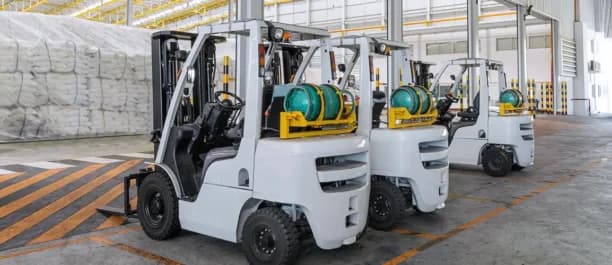
Warehouse construction and expansion continue to reshape local energy demand across the United States. Driven by e-commerce growth, inventory reshoring, and faster delivery expectations, new distribution centers are appearing along highways, industrial parks, and the outskirts of suburbia. For propane businesses, this trend brings both opportunity and operational pressure. Warehouses often rely on propane for space heating, forklift fleets, temporary construction energy, and backup power. As these facilities cluster geographically, they can change traffic patterns, delivery timing, and route density, directly affecting driver workloads, fleet utilization, and service consistency.
Warehouse Expansion and Industrial Energy Use
Industrial real estate data shows warehouse space has expanded steadily over the past several years, even as some markets cool slightly from pandemic highs. Reporting from CBRE notes that logistics and distribution remain among the most active industrial property segments nationwide. Many of these sites use propane because it supports fast startup timelines, onsite fuel storage, and operational flexibility. This makes propane especially attractive for new builds, leased overflow facilities, and operations located beyond natural gas infrastructure.
How Local Routes Are Being Reshaped
As warehouse density increases, propane delivery routes often become more industrial and time-sensitive. Larger single drop volumes may replace multiple smaller stops, shifting how routes are built and optimized. Delivery windows can narrow to align with warehouse operating hours, while truck traffic near distribution hubs increases congestion and idle time. Commercial and industrial propane use continues to represent a meaningful share of total consumption, underscoring the importance of logistics efficiency as land use patterns evolve.
Workforce and Cost Considerations
Serving warehouse customers can place new demands on drivers, dispatchers, and equipment. Drivers may need additional site safety training, familiarity with dock operations, or experience handling higher throughput locations. From a financial perspective, industrial accounts can improve gallons per stop and route density, but they may also increase overtime exposure, vehicle wear, and sensitivity to fuel price volatility. Coordination between operations, HR, and finance teams becomes more critical as these accounts grow.
Actionable Steps for Propane Leaders
First, track current and planned warehouse developments within your service area and factor them into route modeling. Second, review driver training and safety protocols specific to high-traffic industrial sites. Third, structure pricing and service agreements to reflect delivery timing constraints and volume variability. Fourth, align sales growth targets with fleet capacity and staffing plans to avoid service strain.
Looking Ahead
Warehouse expansion is likely to remain a steady influence on local propane delivery patterns. Companies that anticipate how industrial demand affects routes, labor needs, and cost structures will be better positioned to manage growth without disruption. By planning ahead and coordinating across teams, propane businesses can turn expanding warehouse demand into a reliable and operationally sustainable part of their customer mix.