
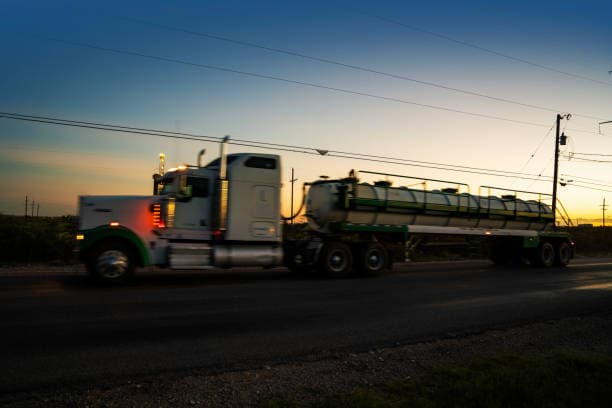
When daylight hours are shorter, the propane industry does not slow down. In fact, in most markets across the country, it accelerates. Winter demand peaks just as daylight visibility shrinks, routes stretch later into the evening, and drivers operate in conditions that compound operational exposure. Darkness changes more than just the landscape; it changes incident probability, response times, insurance implications, and driver fatigue dynamics. For propane marketers already balancing tight labor pools and weather-driven demand, the reality of shorter daylight hours becomes a measurable operational variable. Ignoring it means accepting preventable risk. Managing it well protects the company’s margin, reputation, and people.
Reduced Visibility and the Shift in Incident Exposure
Low-light conditions alter the risk profile of nearly every delivery. Fixed obstacles become harder to identify. Ice patches and uneven terrain are less visible. Property lighting varies dramatically between commercial and rural residential sites. Even well-trained drivers face longer hazard recognition times once the daylight hours have faded.
Federal crash data consistently shows higher fatality rates per mile driven at night compared to daylight hours. That pattern translates directly to bobtail and service truck operations, particularly on secondary roads and rural driveways. For propane companies serving agricultural and dispersed residential territories, that exposure is magnified.
Beyond vehicle crashes, darkness increases the probability of slips, trips, and falls. Hose handling in icy conditions under limited lighting increases musculoskeletal strain and fall incidents. These are not catastrophic claims, but they are frequent and expensive. Workers’ compensation claims tied to winter and low-light operations often exceed equipment damage costs over the course of a season. Darkness does not create new hazards. Rather, it amplifies the consequences of existing ones.
Hidden Productivity Loss
Dispatch models often assume steady stop times across the course of a work day. In reality, deliveries performed after sunset take longer. Drivers move more deliberately and cautiously. Property navigation slows. Pre-delivery walk-arounds require more deliberate lighting checks.
Those incremental minutes accumulate. A five-minute increase per stop across 18 deliveries translates into 90 additional minutes of route time. That pushes hours-of-service margins tighter and increases overtime exposure. It also reduces one’s flexibility and ability to absorb weather-related disruptions.
The U.S. Energy Information Administration’s weekly propane inventory and consumption data show predictable seasonal demand greatly spikes in the colder months. Companies respond by extending their delivery hours. However, extending hours into darkness without adjusting stop density or route planning simply compresses operational slack. In practice, that means dispatchers must treat daylight as a capacity constraint, not a neutral variable.
Compliance and Liability Considerations
Low-light operations introduce regulatory sensitivity. Federal Motor Carrier Safety Administration hours-of-service rules remain unchanged regardless of sunset, but fatigue risk decidedly rises in winter. Earlier darkness often leads to circadian misalignment, especially when drivers begin shifts before sunrise and finish after sunset.
From a liability perspective, nighttime incidents face greater scrutiny. Plaintiffs’ attorneys often question lighting adequacy, reflective marking visibility, and property access assessments. In states with strict premises liability interpretations, poor lighting at a delivery site can complicate responsibility determinations.
Insurance carriers increasingly analyze telematics data to identify nighttime exposure patterns. Some carriers adjust underwriting models based on the proportion of miles driven between dusk and dawn. A company that can demonstrate structured controls around night deliveries positions itself more favorably in renewal negotiations. Darkness is not merely a safety issue; it is a documentation issue.