
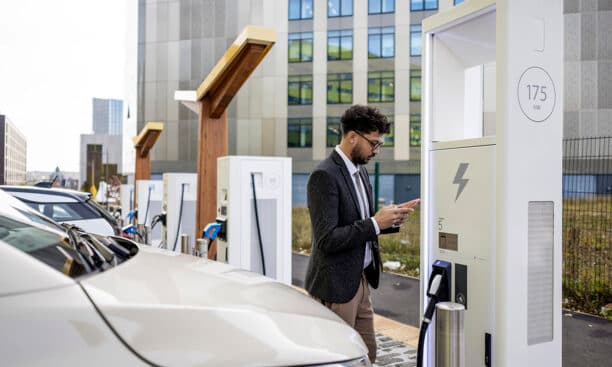
The rapid growth of electric vehicles (EVs) is changing the energy landscape in many ways, and the propane industry is not immune to these shifts. As more consumers and businesses move toward EVs, there is growing interest in how this will impact the demand for propane fuel. Propane companies may see changes in several areas, including transportation, home energy needs, and industrial applications.
Decline in Propane for Vehicle Fuel
One of the immediate effects of EV adoption is the potential decrease in demand for propane as a vehicle fuel. Some propane-powered vehicles, such as forklifts, delivery trucks, and school buses, have been popular in industries looking for cleaner alternatives to gasoline and diesel. However, with the rise of electric-powered options, some businesses may begin transitioning away from propane for transportation needs.
While propane vehicles remain an eco-friendly and cost-effective solution, especially in areas where EV infrastructure is limited, the competition from EVs is likely to impact this market over time.
Shift in Residential and Commercial Energy Use
EV adoption is also expected to influence how people use energy in their homes and businesses. As more individuals charge their electric cars at home, electricity consumption is expected to rise. This could lead to a shift in energy demand from propane to electricity for residential heating and cooking, particularly in regions where propane is commonly used. The trend might extend to commercial buildings, where businesses may increasingly focus on integrating more electric-powered systems. Propane companies may need to adapt by exploring new uses for propane beyond traditional home heating and power generation.
Industrial and Off-Grid Applications Remain Strong
Despite the rise of EVs, propane will likely continue to play a vital role in certain industrial and off-grid applications. Many industries rely on propane for processes that require high energy output, such as manufacturing, construction, and agriculture. In rural areas and regions where access to the electric grid is limited, propane remains a reliable energy source for heating, cooking, and power generation. These applications are less likely to be affected by EV adoption in the near future, providing a stable demand for propane in specific sectors.