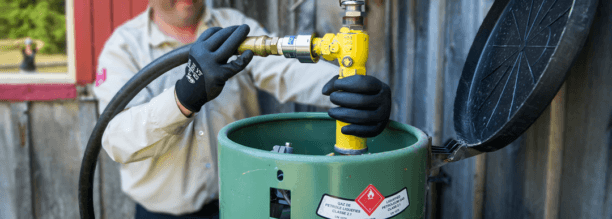
Local regulations play a crucial role in shaping the operations of propane distribution companies. These laws can vary significantly from one region to another, impacting everything from the supply chain to delivery processes. Understanding these regulations is essential for ensuring compliance and optimizing one’s distribution plan.
Local regulations play a crucial role in shaping the operations of propane distribution companies. These laws can vary significantly from one region to another, impacting everything from the supply chain to delivery processes. Understanding these regulations is essential for ensuring compliance and optimizing one’s distribution plan.
The Role of Local Regulations
Local regulations are designed to ensure safety, environmental protection, and fair competition within the propane industry. They may dictate:
Storage Requirements: Regulations often specify how and where propane can be stored, including the construction standards for storage facilities and safety measures to prevent leaks and accidents.
Transportation Rules: Transportation of propane is regulated to ensure the safety of the transport vehicles, their operators, and the communities they pass through. This includes restrictions on transport routes as well as specifications and guidelines for the vehicles used.
Permitting and Licensing: Propane distributors may need specific permits to operate, which can involve regular inspections and adherence to local safety protocols.
Environmental Impact: Some localities have regulations aimed at minimizing the environmental impact of propane distribution, such as emission controls and spill management procedures.
Challenges Faced by Distributors
Navigating the myriad of local regulations can be a significant challenge for propane distributors. These challenges include:
Compliance Costs: Meeting diverse regulatory requirements can be costly, especially for distributors operating across multiple jurisdictions. This includes costs related to modifying storage facilities, upgrading equipment, and training staff.
Operational Delays: Obtaining necessary permits and passing inspections can delay operations, impacting delivery schedules and customer satisfaction.
CETP→PEP
Amber marks the 8 states whose LP-gas licensing law still names CETP by name.
States naming CETP in law: Georgia, Idaho, Kansas, Louisiana, Maryland, Missouri, Utah, West Virginia.
Market Entry Barriers: Stringent regulations can act as barriers to entry for new players, potentially limiting competition and innovation within the market.
Benefits of Regulation
Despite these challenges, local regulations also bring several benefits such as:
Increased Safety: Regulations help standardize safety protocols across the industry, reducing the risk of accidents and enhancing public confidence in propane as a safe energy source.
Environmental Protection: By enforcing environmentally friendly practices, regulations help mitigate the impact of propane distribution on the local ecology, contributing to greater sustainability.
Market Stability: Regulations can prevent unfair practices and ensure a level playing field for all distributors, which contributes to a more stable market environment.
Impact on Propane Businesses
For propane businesses, the impact of local regulations can be profound. Companies must invest in and strive toward full compliance to avoid penalties and maintain their license to operate. However, by effectively managing the challenges and leveraging the opportunities presented by local regulations, propane distributors can enhance their operational efficiency, improve safety, and contribute positively to the communities they serve. This not only benefits the businesses but also strengthens the overall propane industry.