
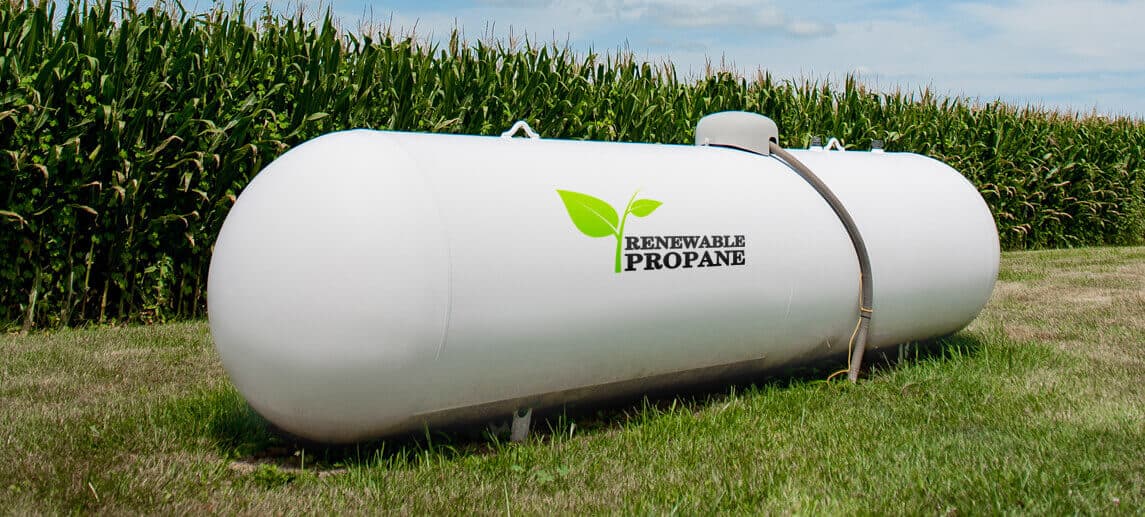
In an intriguing panel discussion held at the 2023 Southeastern Convention & International Renewable Propane Expo, industry experts gathered to tackle a pressing question:
Can the propane industry successfully achieve a billion-gallon market for renewable fuels? The answer, it seems, lies in the interplay between government incentives and market growth.
At present, two key incentives are driving the renewable propane market: the U.S. Environmental Protection Agency’s (EPA) Renewable Fuel Standard (RFS) and the California Air Resources Board’s Low Carbon Fuel Standard (LCFS). As these policies pave the way for a greener future, several other states have also begun to follow California’s lead by passing or proposing similar standards.
Under the RFS, compliance entails blending renewable fuels into transportation fuel or acquiring Renewable Identification Numbers (RINs) credits to meet the EPA’s specified carbon reduction threshold. Renewable propane can secure a substantial $1.98 credit under this standard, provided its carbon intensity (CI) remains below the defined threshold.
Meanwhile, California’s LCFS operates on a fascinating principle: the lower the CI of renewable propane, the higher the credit it earns. For instance, renewable propane boasting a CI of 45 gCO2eq/MJ currently receives a commendable $0.26 credit under the LCFS. In contrast, if its CI drops to 20 gCO2eq/MJ, the credit climbs to an even more enticing $0.40.
It is important to note that both EPA and LCFS credits are currently limited to renewable propane utilized in the transportation sector. This primarily encompasses autogas gallons, while in California, forklift gallons are also eligible for these credits.
The insights presented in this content hold significant implications for propane managers and business owners, spanning various aspects of their operations. Effective marketing strategies are crucial to capitalize on the growing market for renewable propane. Educating customers about the environmental benefits and cost savings of renewable propane through targeted campaigns can attract eco-conscious clientele and drive business growth.