
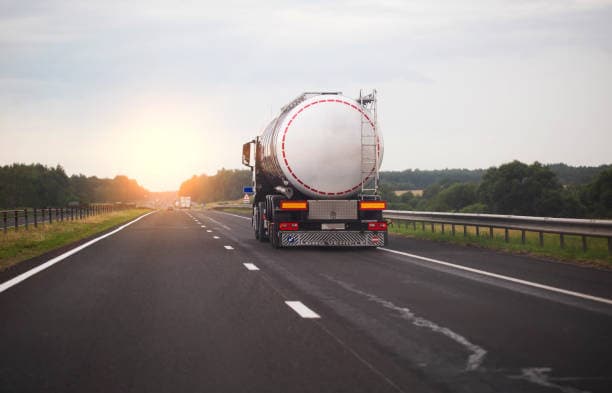
The propane industry is booming, with global market estimates at $87.58 billion in 2022 and an expected 5.2% growth rate by 2030. However, this growth brings increased insurance challenges for propane business owners due to the inherent risks in transporting hazardous materials.
Understanding the Risks
The Federal Motor Carrier Safety Administration (FMCSA) reports over 5,000 annual truck accidents involving hazardous materials. Propane, as a flammable, toxic gas, can lead to dire outcomes in accidents, including severe headaches, burns, and respiratory issues or, in worst case scenarios, even death.
Accidents often result from driver fatigue, adverse weather, and vehicle maintenance problems. But with a focus on risk management and safety protocols, these risks can be minimized.
The Cost of Accidents
Propane hauling accidents can lead to substantial financial and legal burdens. These incidents often result in large lawsuits, with lawyers seeking economic and non-economic damages. For instance, a Michigan couple was awarded $2.3 million for injuries in a propane tanker crash.
Consider an incident where nearly 300 propane tanks exploded after an accident. While no injuries occurred, the costs of the lost haul, truck damage, and cleanup were substantial.
Choosing the Right Insurance
Selecting suitable insurance coverage is essential for propane business owners. In addition to general liability and health insurance for third-party claims and injuries, consider specialized coverage such as:
Automobile Liability: Protects against property damage or injury caused by commercial vehicles, shielding your business from claims, fines, and penalties.
Physical Damage Coverage: Covers repair or replacement costs for vehicle damage in collisions, fires, theft, or vandalism; crucial for trucks carrying specialized equipment.