
Book Fall Tune-Ups Now to Fill Service Bays Before the No-Heat Rush
Fall Tune-Ups Fill Bays Before the No-Heat Rush
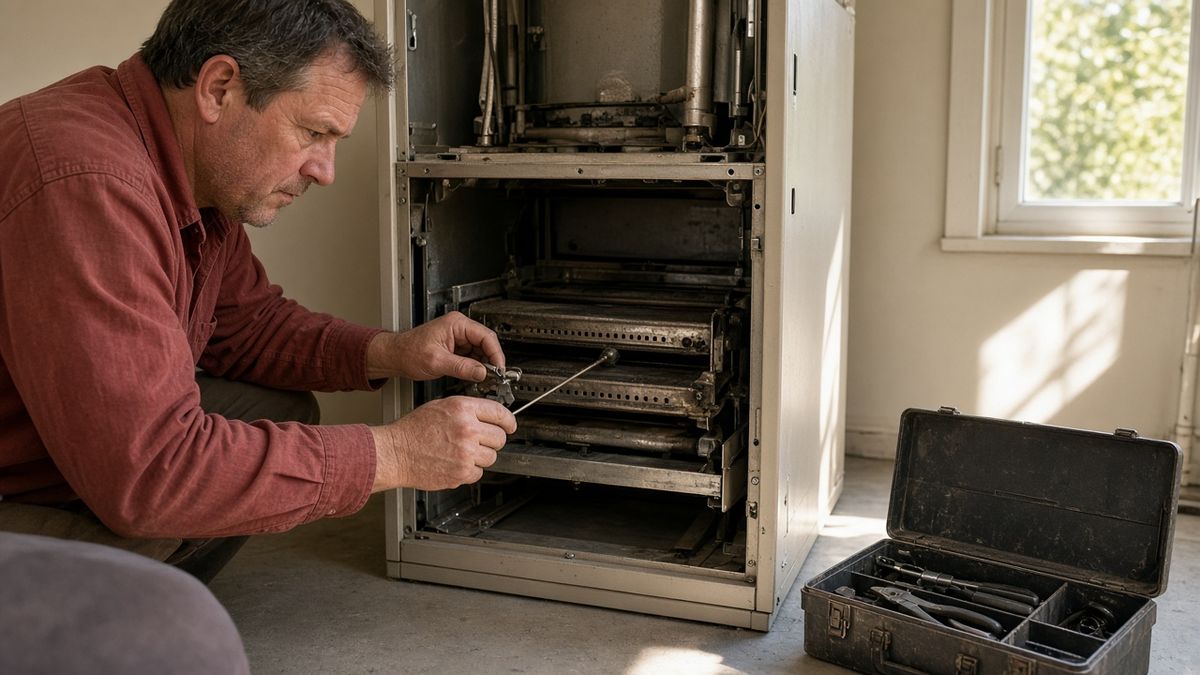
Booking fall tune-ups fills service bays on our schedule before weather-driven emergencies take over.
The Situation
Emergency calls displace scheduled tune-up work when cold weather hits unprepared furnaces. Furnaces idle since spring collect burner dust, flame-sensor residue and vent debris - problems a September inspection catches with time to order parts before customers need heat, per Liberty Gas Service. The same inspection in late October can mean a customer waiting days without heat while a backordered igniter ships and routine appointments get bumped for no-heat emergencies, Liberty Gas says.
The Facts
We run the same inspection checklist in September as in November - the difference is the slack time around it, per Liberty Gas Service, which serves Long Island. A flame sensor coated with residue gets cleaned before the customer needs heat; the same sensor left unchecked fails during a cold snap and leaves them without heat while we triage emergencies ahead of routine calls, Liberty Gas says (libertygasservice.com/propane-furnace-tune-up, September 26, 2026). Dupuis Energy's fall service plan pairs an annual inspection with priority scheduling, discounted parts and labor, and 24/7 emergency response for customers who buy propane from the company. Plan members get same-day fixes during peak season; others wait up to three days, per Dupuis (dupuisenergy.com/service-repair/service-plans/propane-service-plan, October 1, 2026). The inspection tests the gas valve, ignition system, burner, heat exchanger and combustion efficiency. The heat exchanger check catches cracks or deterioration that could release carbon monoxide. GAS Check, an NPGA- and PERC-funded program, offers two inspection tiers: a gas-delivery-system check covering containers, regulators and appurtenances, or a fuller appliance-system check covering every propane-burning device, per Propaneva (propaneva.com/industry-efforts). The Certified Employee Training Program (CETP), also developed by NPGA and funded by PERC, trains technicians who handle propane equipment nationwide. If you smell gas, leave the area, then call your propane company from a safe place. If you can't reach them, call 911.
Business Impact
Pre-season tune-ups protect margin and uptime. When we find a heat exchanger crack in September, we order the part with no deadline pressure. The same crack found during a cold snap pulls the crew off billable routine work to triage an emergency that earlier maintenance would have caught, per Liberty Gas Service. Parts ordered in September arrive before customers need them, cutting the days they wait without heat. Service demand spreads across weeks instead of concentrating in the first cold week. A documented annual inspection supports the manufacturer- and industry-recommended service interval if a warranty question comes up. A two-tier inspection framework - delivery-system check alone or full appliance coverage - gives customers a clear service choice and lets us compete on service clarity instead of price alone.
Key Data Points
- Liberty Gas Service says furnaces idle since spring accumulate burner dust, flame-sensor residue, and vent blockages from nesting debris.
- Dupuis Energy plan members get same-day repairs during peak season vs. a three-day wait for non-members.
- GAS Check offers two inspection tiers: gas delivery system only, or delivery system plus all propane appliances.
- Annual professional inspection of gas heating equipment is recommended by furnace manufacturers and the propane industry, per Liberty Gas Service.
Key Takeaways
- September tune-ups catch problems with time to order parts; late-fall inspections find the same failures when customers are already without heat and emergency calls are stacking up.
- Service plans that bundle priority scheduling with annual maintenance convert fall tune-up work into recurring revenue and faster turnaround during peak season.
- Book fall slots before the first cold snap fills the schedule with emergency calls that displace routine billable work, per Liberty Gas Service.
- GAS Check's two-tier framework - delivery-system check alone or full appliance coverage - clarifies what each inspection level covers.
Action Steps
- 1.Block fall tune-up slots this week and call customers who skipped last year, before the first cold snap fills the calendar with no-heat emergencies.
- 2.Document what your fall inspection covers - gas valve, ignition, burner, heat exchanger, combustion efficiency - so customers know what they're paying for before they book.
- 3.Review your parts supplier's lead times this week for common wear components so you know how much slack September orders actually buy.
- 4.Publish your service plan tiers - delivery-system check vs. full appliance coverage, priority scheduling terms, emergency response windows - so customers can compare your offering on service clarity instead of price alone.
Competitive Advantage
Booking fall tune-ups now instead of waiting for the first cold snap fills service bays before the no-heat rush and converts routine maintenance into revenue on our timeline instead of the weather's. Publishing exactly what each inspection tier covers and how priority scheduling works lets us compete on service clarity instead of racing to the bottom on price.
Block September slots this week, or wait and pull technicians off billable work to chase no-heat emergencies when the first cold snap hits.
Get the next one in your inbox.
Free propane industry news, twice a week. 30,000+ operators already read it.
No spam, unsubscribe anytime. We'll email you a link to confirm — that's how we keep the list real. Cloudflare processes a short bot-check token on this form. See our privacy policy.
Published by PropaneInsider.com
AI-powered propane industry news for 30,000+ professionals
Propane Insider is published by the makers of Tank Spotter, Custom Fuel App, Blink Fuel, PIMS and Propane Safety Pro; some links go to advertisers.